Apple cider cake bakes up soft and fragrant, with a tender crumb that stays moist for days and a warm spice note that never bulldozes the apple. The cider gets reduced first, which concentrates the flavor so the cake tastes like apples instead of just sugar and cinnamon. Finished with cream cheese frosting, it lands in that sweet spot between homey and special enough for guests.
What makes this version work is the balance. Brown sugar adds depth, sour cream keeps the crumb plush, and the reduced cider brings real apple character without adding extra liquid that would weigh the batter down. The cake layers bake up sturdy enough to stack, but they still slice cleanly and stay soft under the frosting.
Below, I’ve included the one step that changes the whole cake, plus the frosting detail that keeps the finish from turning cloying. If you’ve made spice cakes before and ended up with something dry or flat, this method fixes both problems.
The cider reduction made the flavor deeper than any apple cake I’ve tried, and the layers stayed incredibly moist even the next day. My frosting spread smoothly and the cake sliced without crumbling.
Save this apple cider cake for the days when you want soft spice layers, tangy cream cheese frosting, and a cider flavor that actually shows up.
The Reason the Apple Cider Stays Bright Instead of Disappearing
The biggest mistake with apple cider cake is using cider straight from the bottle and expecting a strong apple flavor after baking. Heat and flour both mute it. Reducing the cider first concentrates the fruitiness and pulls out some of the water, which keeps the batter from becoming loose or bland. That one extra step is what makes the cake taste like apple cider instead of just “spiced cake.”
The other quiet win here is the sour cream. It brings acidity and fat, which gives you a softer crumb and helps the cake hold onto moisture without turning gummy. If your spice cakes usually dry out by the second day, this is the part that fixes that problem.
- Reduced apple cider — This is the flavor engine. Let it cool completely before adding it to the batter, or you’ll melt the butter and throw off the texture.
- Brown sugar — It adds molasses depth that pairs with the cider better than white sugar does. Light or dark brown sugar both work, but dark brown sugar gives a deeper caramel note.
- Sour cream — This keeps the cake tender and adds body. Plain full-fat Greek yogurt can stand in if that’s what you have, but the cake will taste a little tangier.
- Cream cheese frosting — The tang keeps the cake from tasting too sweet. If you want a cleaner finish, chill the frosting for 15 to 20 minutes before spreading it between the layers.
What Each Ingredient Is Actually Doing in This Recipe
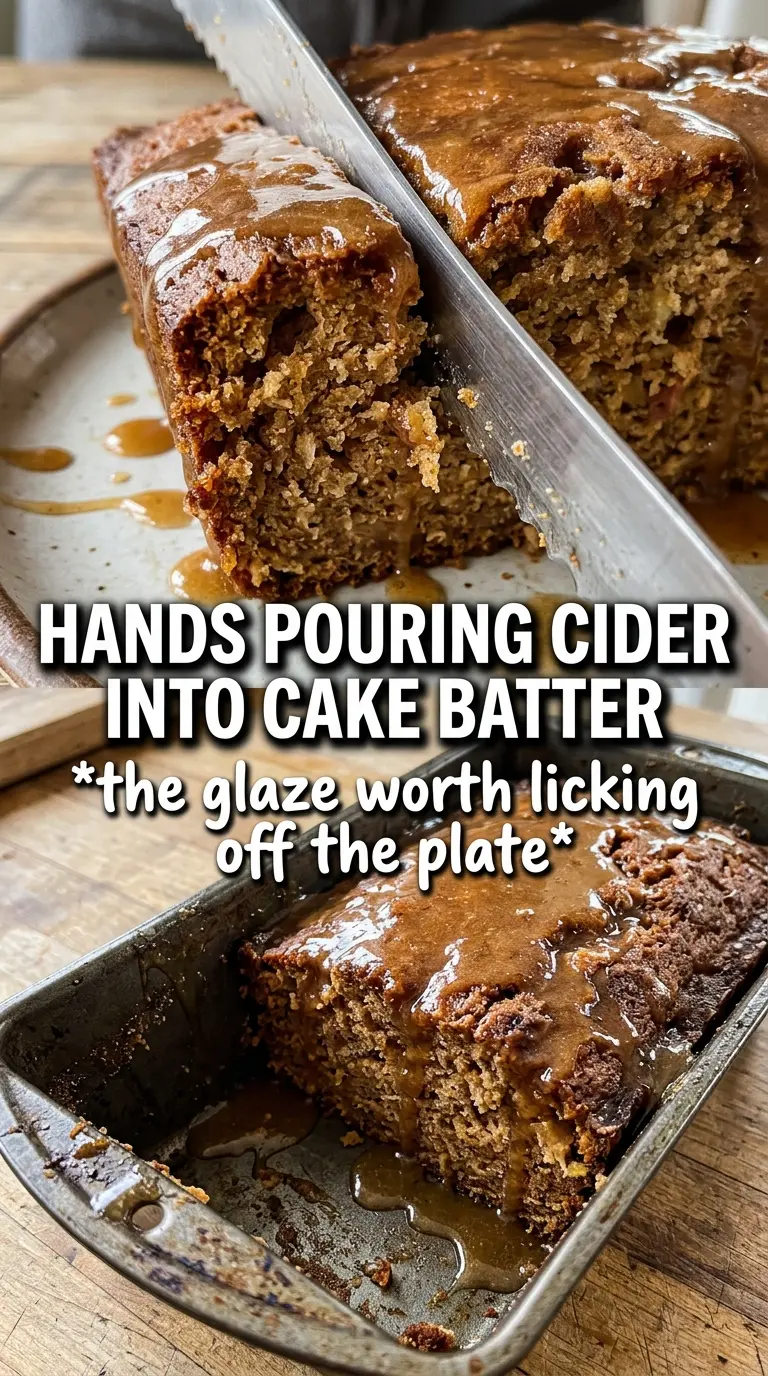
- Primary ingredient (the star) — Quality matters most. Choose the best you can find.
- Cooking medium (oil, butter, or broth) — This carries flavors and prevents dryness.
- Seasonings (salt, pepper, spices, herbs) — Layer flavors so nothing overpowers. Build depth gradually.
- Aromatics (garlic, onion, herbs) — Cook with fat to bloom flavors. Become the foundation.
- Supporting ingredients — Complement the main ingredient without overpowering it.
- Sauce or liquid (if applicable) — Brings flavors together. Balance richness with acid.
- Acid (lemon, vinegar, wine, or other) — Brightens and prevents flat-tasting results.
- Final finish (garnish, glaze, or sauce) — Prevents one-dimensional taste and adds visual appeal.
Building the Batter Without Overworking the Cake
Reducing the Cider
Pour the cider into a small saucepan and simmer it until it measures half a cup. You want steady bubbles and a slightly syrupy look, not a hard boil that scorches the edges. Cool it completely before it goes into the batter, because warm cider can make the butter mixture look greasy and loose.
Whipping the Butter and Sugar
Beat the butter and brown sugar until the mixture turns pale and fluffy. This step traps air, which helps the cake rise without leaning on extra leavener. If the mixture still looks dense and sandy, keep going; under-creamed butter gives you a heavier cake.
Alternating Dry Ingredients and Sour Cream
Add the flour mixture in alternating additions with the sour cream, starting and ending with the dry ingredients. That keeps the batter smooth and prevents it from curdling or overmixing. Stop as soon as the last streaks of flour disappear, because stirring past that point starts building toughness instead of structure.
Baking and Cooling for Clean Layers
Divide the batter evenly between the pans and bake until the tops spring back and a toothpick comes out clean. The centers should feel set, not wet, but they don’t need to be dark. Cool the layers completely before frosting them, or the cream cheese frosting will slide and soften into the cake instead of sitting on top of it.
Make It a Little More Spiced
Add another 1/4 teaspoon of cinnamon or a pinch of cloves if you want the spice to sit higher than the apple. Keep the balance in mind, though — too much spice can bury the cider instead of supporting it.
Dairy-Free Version
Use a plant-based butter and dairy-free cream cheese in the frosting, then swap the sour cream for an unsweetened thick non-dairy yogurt. The cake will still stay tender, though the frosting may be a little softer and may need a short chill before stacking.
Single-Layer Sheet Cake
Bake the batter in a 9×13-inch pan instead of two rounds and start checking a little earlier, since the thinner layer will finish faster. You’ll lose the bakery-style layers, but you gain an easier cake that still keeps the same soft crumb and cider flavor.
Storage and Reheating
- Refrigerator: Store covered for up to 4 days. The frosting stays best chilled, and the crumb actually gets a little more tender by day two.
- Freezer: Freeze unfrosted layers tightly wrapped for up to 2 months. Thaw them wrapped at room temperature so condensation doesn’t make the surface sticky.
- Reheating: Let slices sit at room temperature for 20 to 30 minutes before serving. If you warm frosted cake in the microwave, the frosting will melt and the texture will turn greasy instead of soft.
Answers to the Questions Worth Asking
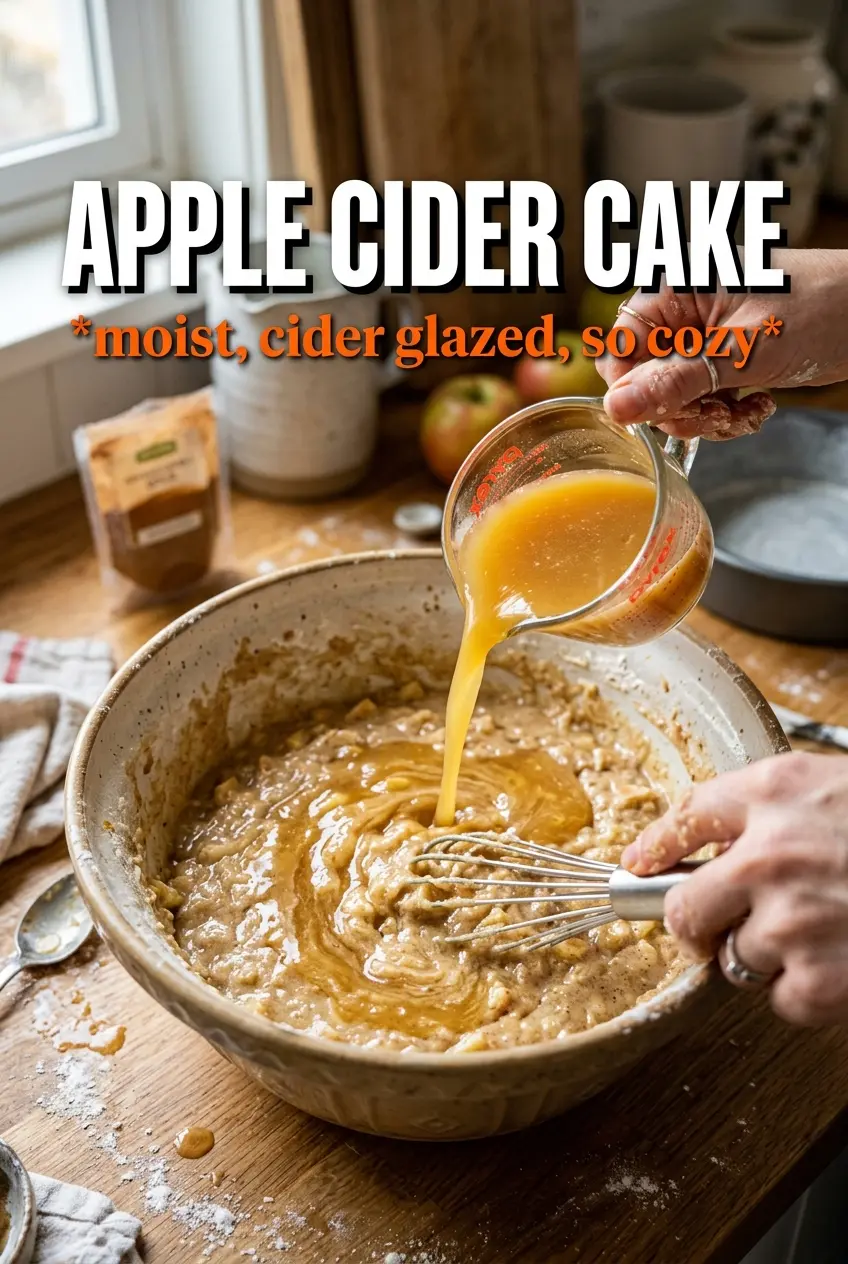
Apple Cider Cake
Ingredients
Equipment
Method
- Reduce apple cider to 1/2 cup over medium heat, then cool completely.
- Preheat the oven to 350F, then grease two 9-inch round cake pans.
- Whisk together the all-purpose flour, baking powder, baking soda, salt, cinnamon, nutmeg, and allspice.
- Beat the softened unsalted butter and brown sugar until very fluffy.
- Add the eggs one at a time, then beat in the vanilla extract and the reduced apple cider.
- Alternate adding the flour mixture and the sour cream to the batter, mixing just until combined.
- Divide the batter between the two pans.
- Bake for 35-40 minutes at 350F, until a toothpick comes out clean.
- Cool the cakes completely, then frost with cream cheese frosting between the layers and over the top.