Bright, clean ceviche depends on balance. The fish should turn opaque and tender, not chalky or tough, and the citrus should taste lively without flattening everything else. When it’s done right, you get cool, juicy bites of white fish with sharp lime, a little sweetness from orange, and just enough heat to keep each spoonful moving.
This version works because the citrus blend does more than “cook” the fish. Lime provides the acid needed to firm the flesh, while orange softens the edge so the finished ceviche tastes rounded instead of punishingly tart. The red onion, jalapeño, cilantro, and tomato go in after the fish has cured, which keeps their texture fresh and their flavors distinct. Avocado gets folded in at the end so it stays creamy instead of turning mushy in the bowl.
Below, I’ve included the small details that matter: how to tell when the fish is properly cured, which fish give you the best texture, and how to keep the ceviche cold and crisp right up to serving time.
The fish turned perfectly opaque in 30 minutes and still had a tender bite. I loved how the orange took the edge off the lime — it tasted bright, not harsh.
Like this ceviche? Save it to Pinterest for the next time you want cold, citrus-cured fish with a bright, crisp finish.
The Part Most People Get Wrong: Curing the Fish Too Long
Ceviche is not a dish where extra time helps. The acid firms the fish fast, and once it crosses from tender to tight, there’s no bringing that softness back. For most bite-size cuts of fresh white fish, 30 minutes is the sweet spot: long enough for the outside and center to turn opaque, short enough to keep the texture clean and delicate.
The other common mistake is using a bowl that reacts with acid or a fish that was already marginal to begin with. Stainless steel, glass, or another non-reactive bowl keeps the citrus tasting clean. And because the fish won’t be cooked by heat, you need the freshest white fish you can get from a source you trust. If it smells strongly fishy before it hits the lime, it won’t taste better after.
What Each Ingredient Is Actually Doing Here
- Fresh white fish — Sea bass, snapper, and halibut all hold their shape well and give you a clean, mild flavor that lets the citrus and aromatics shine. Cut it into even pieces so everything cures at the same pace; uneven chunks leave you with some pieces overcooked and others underdone.
- Lime juice — This is the main curing agent, so use fresh juice. Bottled lime juice can taste flat and slightly bitter, which throws off the whole bowl.
- Orange juice — Orange rounds out the acidity and keeps the ceviche from tasting sharp or one-note. Fresh juice is best here too, but if you’re short on oranges, use a smaller amount of lime and a pinch of sugar only if the dish tastes overly aggressive.
- Red onion — Thin slices bring crunch and bite. If raw onion feels too strong, soak the slices in cold water for 10 minutes, then drain well; that softens the harsh edge without dulling the flavor.
- Jalapeños — They add heat and freshness. For less fire, remove the seeds and inner ribs before mincing; for more heat, leave a few seeds in.
- Avocado — Fold it in at the end so it stays intact. If you add it before marinating, it breaks down and muddles the texture.
How to Cure the Fish, Then Build the Bowl
Submerging the Fish Evenly
Put the diced fish in a non-reactive bowl and pour the lime and orange juice over it until every piece is covered. If the fish is poking out above the liquid, it won’t cure evenly, so add a little more citrus if needed. Stir once or twice during the rest time so the pieces on top get the same exposure as the ones underneath. After about 30 minutes, the fish should look opaque around the edges and mostly firm through the center.
Adding the Aromatics After the Cure
Drain off excess citrus only if the bowl looks flooded; a little liquid is part of the final ceviche. Add the onion, jalapeño, cilantro, tomato, and avocado after the fish has cured, not before. That keeps the vegetables crisp and the avocado from turning into paste. Season at the end so you can taste the citrus first, then decide whether it needs more salt, pepper, or a touch more lime.
Serving It Cold and Clean
Ceviche tastes best when it’s served right away, while the fish is cold and the vegetables still have snap. Chill the serving bowls ahead of time if you can. Spoon the ceviche into glass bowls or small glasses and put the tostadas or chips on the side so they stay crunchy instead of going soft under the juices.
How to Adapt This for Different Tables
Make It with Shrimp Instead of Fish
Use peeled, deveined shrimp and let the citrus work until they turn pink and opaque, usually a little faster than fish depending on size. The texture will be firmer and sweeter, with a more classic shrimp-ceviche bite.
Mild and Family-Friendly
Use one jalapeño instead of two, and remove the seeds and ribs completely. You’ll still get freshness and a little warmth, just without the sharper heat that can overpower the citrus.
Gluten-Free Serving Idea
Skip the tostadas if needed and serve the ceviche in lettuce cups or with certified gluten-free corn chips. The ceviche itself is naturally gluten-free, so this is an easy swap that doesn’t change the dish.
Storage and Holding for Serving
- Refrigerator: Ceviche is best the day it’s made, but it will hold for about 1 day in the coldest part of the fridge. The fish firms up a bit more as it sits, and the avocado will start to soften and brown.
- Freezer: Don’t freeze it. The texture of the fish, tomato, and avocado changes in a way that makes the ceviche watery and grainy after thawing.
- Serving ahead: If you need to prep early, cure the fish and chill the chopped vegetables separately, then combine them just before serving. That keeps the citrus bright and the toppings crisp instead of soggy.
Answers to the Questions Worth Asking
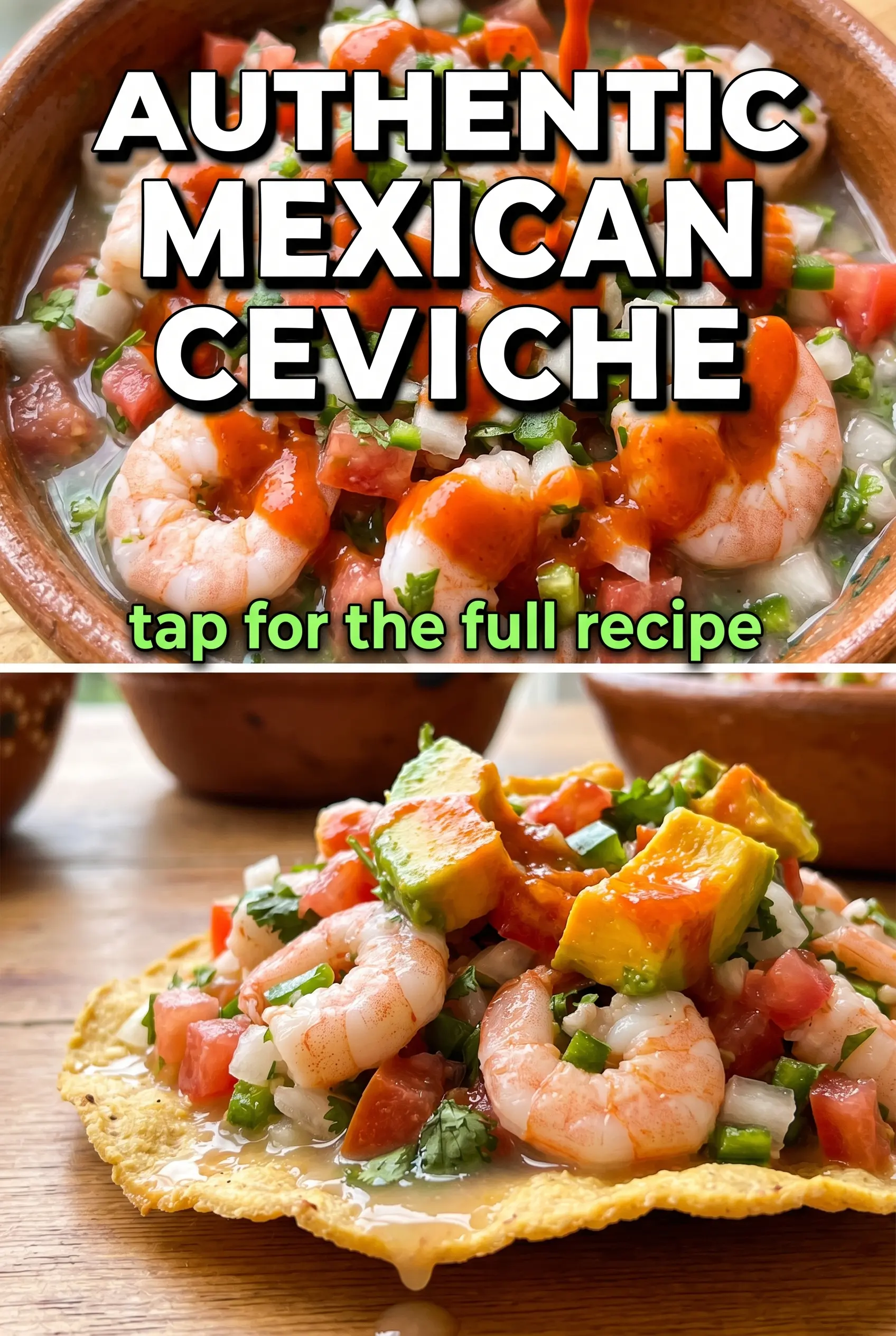
Authentic Mexican Ceviche
Ingredients
Method
- Place the diced fish in a non-reactive bowl and pour the lime juice and orange juice over it until fully submerged. Cover and refrigerate for 30 minutes, stirring occasionally, until the fish turns opaque and is “cooked” by the citric acid.
- Add the sliced red onion, minced jalapeños, chopped cilantro, diced tomato, and diced avocado to the cured fish. Season with salt and black pepper, then gently toss to combine.
- Adjust with more lime juice if needed, then serve immediately in chilled bowls or small glasses. Offer tostadas or tortilla chips on the side for scooping.