Baked mac and cheese should come out creamy in the middle with a browned, crisp top that cracks when the spoon goes in. The best versions don’t turn dry in the oven or gluey on the stove. They hold onto the pasta, slice into neat scoops, and still leave you chasing those stretchy cheese pulls at the table.
This version gets there by building a proper cheese sauce before the pasta ever hits the baking dish. A quick roux gives the milk enough body to stay silky, while evaporated milk adds a little extra richness and stability without making the sauce heavy. Cooking the macaroni just short of done matters too, since the pasta keeps softening in the oven and you want it tender, not mushy.
Below, I’ve laid out the small details that keep the sauce smooth, the top browned, and the center creamy after baking. There’s also a simple note on which cheese swap changes the melt the most, because that choice matters more than most people think.
The sauce stayed creamy after baking and the top got that perfect golden crust without drying out the noodles. I used the Gruyere and cheddar combo and it tasted like the kind of mac and cheese you get at a good holiday dinner.
Save this baked mac and cheese for the nights when you want a creamy center and a deeply browned cheese top.
The reason the sauce stays creamy after baking
The mistake that ruins baked mac and cheese is rushing the sauce or skipping the roux. Flour needs that minute in the butter to lose its raw taste and thicken evenly, and the milk needs to go in gradually so the base stays smooth instead of turning lumpy. Once the sauce is thick enough to coat a spoon, it can support the cheese and pasta through baking without breaking into an oily layer.
The other trap is overcooking the pasta before it goes in the oven. Drain it while it still has a little bite, because it finishes in the casserole and absorbs sauce as it sits. If the noodles are fully cooked on the stovetop, they’ll cross the line by the time the cheese bubbles on top.
What each cheese is doing in the pan
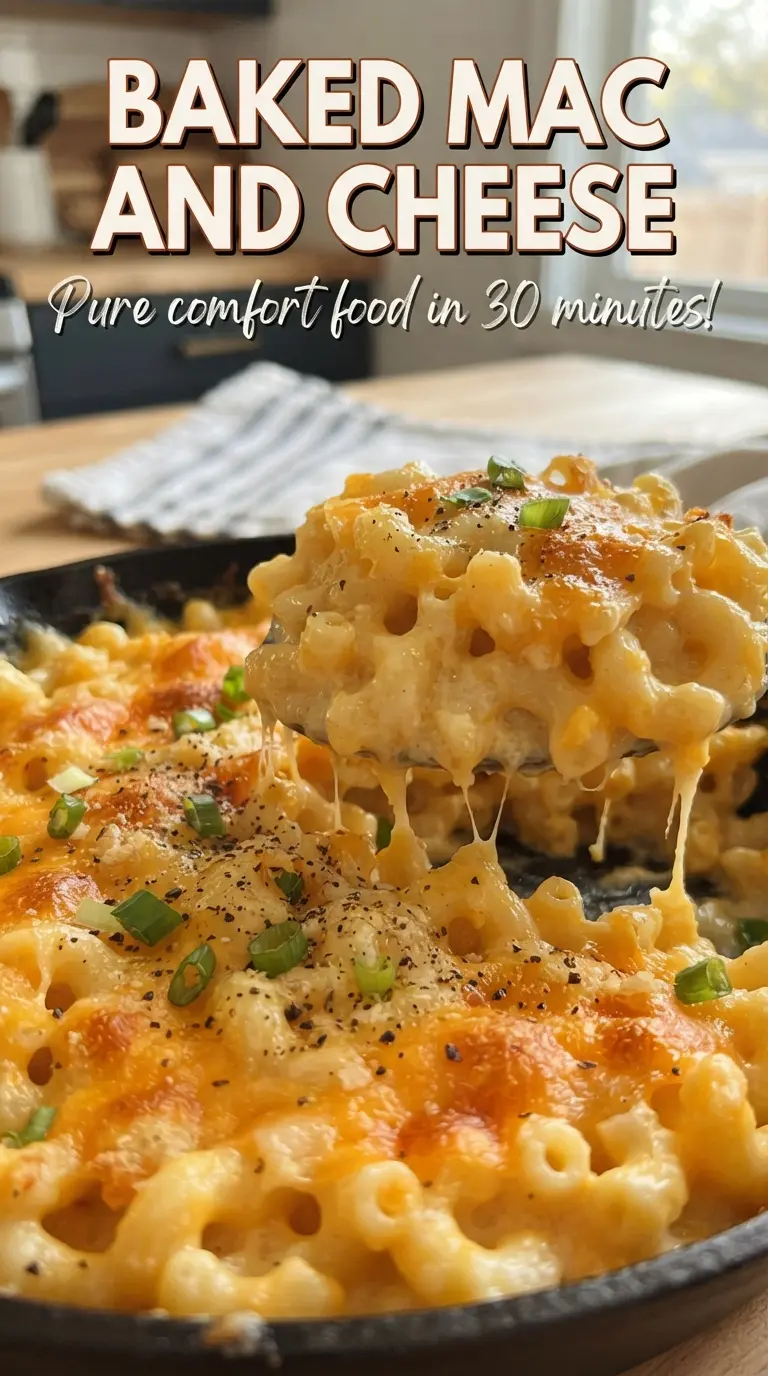
Sharp cheddar brings the bold, familiar mac and cheese flavor and gives the sauce its color. Use a block and shred it yourself if you can, because pre-shredded cheese has anti-caking starch that can make the sauce a little grainy.
Gruyere or Colby jack smooths out the cheddar and helps the top melt into a stretchy, glossy blanket. Gruyere adds a deeper, nuttier note; Colby jack keeps the flavor milder and the melt extra soft. If you want the cleanest texture, grate both cheeses fresh and keep the shreds small so they melt fast without turning stringy.
Evaporated milk adds body and a gentle sweetness that regular milk alone doesn’t give. It’s not there for richness in the heavy cream sense; it’s there to help the sauce stay stable in the oven. If you only have whole milk, you can use it, but the finished casserole won’t hold together quite as neatly.
Building the casserole so the top browns without drying out
Making the roux
Melt the butter, whisk in the flour, and cook it for about a minute until it smells a little nutty and looks pale blond. That short cook keeps the sauce from tasting floury, but don’t let it darken much or it will throw off the color and flavor of the finished dish. The mixture should look like wet sand and move around the pan easily.
Whisking in the dairy
Stream in the milk and evaporated milk slowly while whisking constantly. If you dump it all in at once, the flour can seize into tiny lumps that never fully disappear. The sauce will look thin at first, then turn glossy and thick enough to coat the back of a spoon after a few minutes of steady simmering.
Melting in the cheese
Take the pan off the heat before you stir in the cheese. High heat is the easiest way to get a grainy or oily sauce, especially once the cheddar goes in. Stir until the cheese is fully melted and the sauce looks smooth, then fold in the pasta so every noodle gets coated before it goes into the baking dish.
Baking to the right finish
Spread the macaroni evenly in the buttered dish and cover the top with the remaining cheese. Bake until the edges are bubbling and the top has golden spots, not until it turns dark all over. Let it rest for 10 minutes before serving so the sauce settles and you get creamy scoops instead of a loose puddle.
How to adapt this without losing the texture
Gluten-free baked mac and cheese
Swap the all-purpose flour for a good 1:1 gluten-free flour blend. The sauce will still thicken, but it may need an extra minute on the stove to lose any chalky edge. Keep the pasta just shy of done, since gluten-free noodles can soften faster in the oven.
Lighter cheese flavor
Use Colby jack in place of the Gruyere if you want a milder, more classic Southern-style casserole. You’ll lose the nutty depth, but the melt stays soft and friendly, which works well if you’re serving a crowd with mixed tastes.
Extra sharp and tangy
Replace part of the cheddar with extra-sharp cheddar and keep the Gruyere. The flavor gets punchier, but the sauce can feel a touch firmer, so don’t overbake it. Pull it as soon as the center is hot and the top is browned in spots.
Make-ahead assembly
You can assemble the casserole, cover it, and refrigerate it before baking. Add 10 to 15 extra minutes in the oven if it goes in cold from the fridge. The top should still be bubbly at the edges before you stop baking; otherwise the center stays underheated and the sauce can seem loose.
Storage and Reheating
- Refrigerator: Store leftovers covered for up to 4 days. The sauce will firm up as it chills.
- Freezer: It freezes well in portions. Cool completely, wrap tightly, and freeze for up to 2 months.
- Reheating: Reheat covered in a 325F oven with a splash of milk stirred in first, or warm individual portions gently in the microwave. The common mistake is blasting it uncovered, which dries out the top before the center loosens again.
Answers to the questions worth asking
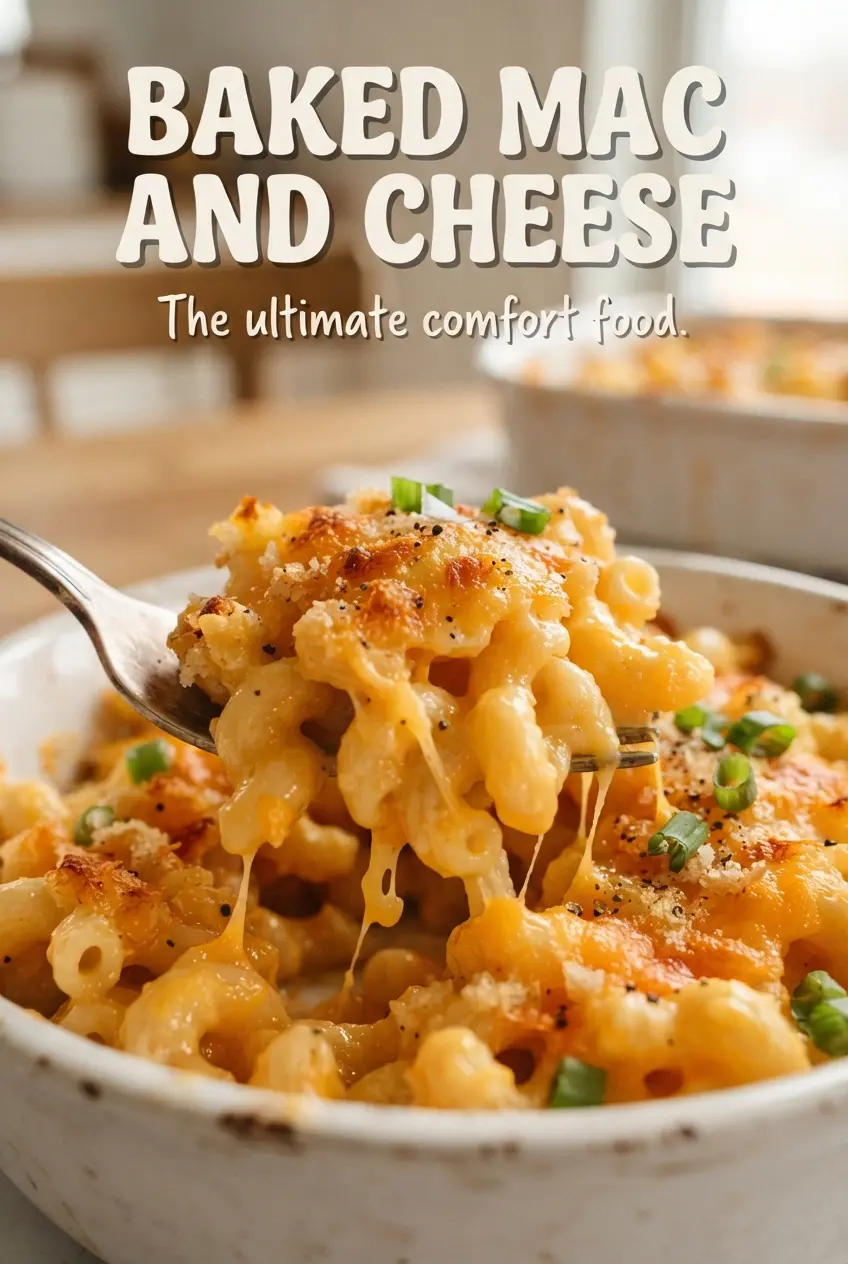
Baked Mac and Cheese
Ingredients
Equipment
Method
- Preheat oven to 350F, then butter a 9x13-inch baking dish with a light, even coating.
- Cook elbow macaroni 2 minutes less than package directions, then drain and set aside.
- Melt butter in a Dutch oven, then whisk in all-purpose flour and cook for 1 minute.
- Slowly whisk in whole milk and evaporated milk until the mixture is smooth.
- Simmer for 5-6 minutes until thickened, then season with salt, black pepper, dry mustard, and smoked paprika.
- Stir in 3 cups shredded sharp cheddar and 1 1/2 cups shredded Gruyere or Colby jack until fully melted, then fold in the pasta.
- Pour the pasta mixture into the buttered dish and top with the remaining sharp cheddar and remaining Gruyere or Colby jack.
- Bake for 25-30 minutes until bubbly and golden, then rest for 10 minutes before serving.