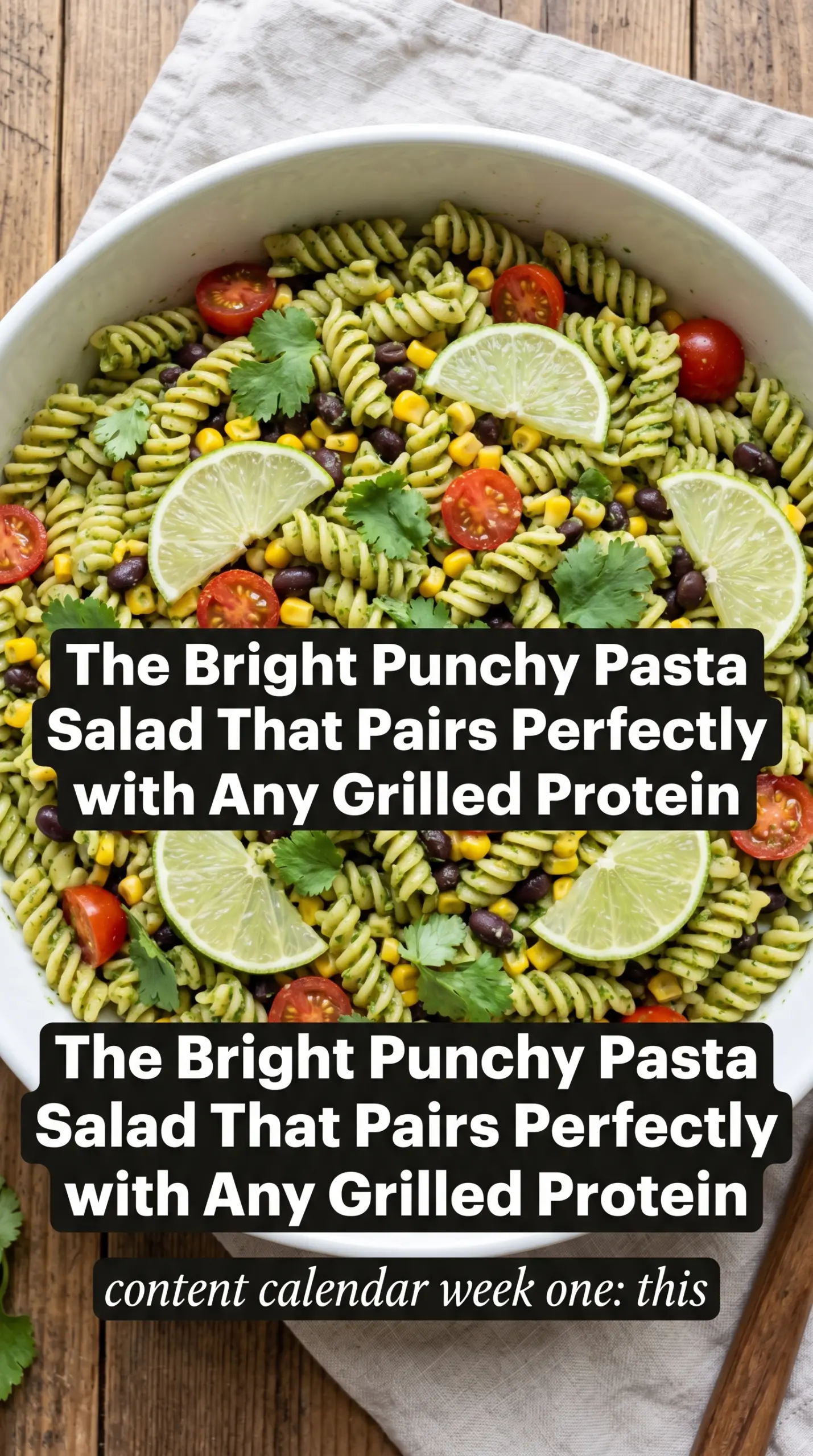
Pasta salad gets a lot more interesting when the dressing actually tastes like something. This version lands bright and herb-heavy, with lime cutting through the starch, cilantro bringing that fresh green note, and black beans and corn giving it enough heft to work as a side dish that doesn’t disappear from the table in five minutes. The best part is the balance: it’s light, but it still feels substantial.
The trick is building a dressing with both lime juice and zest. Juice gives you the acidity, but the zest carries the oils that make the whole salad smell and taste more vivid. Rinsing the pasta in cold water stops the cooking fast, keeps the noodles from clumping, and gives the dressing a clean surface to cling to instead of a hot, gummy one. After chilling, the salad settles into itself and the flavors round out instead of tasting sharp.
Below, I’ve included the small details that make this pasta salad hold up better than the usual picnic version, plus a few easy swaps if you want to change the beans, heat level, or make it dairy-free without losing that bright cilantro-lime finish.
The lime dressing soaked into the pasta after chilling and the whole salad tasted brighter the next day. I added a little extra cilantro at the end and the texture was perfect, not soggy at all.
Save this cilantro lime pasta salad for taco nights, potlucks, and any meal that needs a bright, make-ahead side with beans, corn, and plenty of citrus.
The Reason This Pasta Salad Stays Bright Instead of Dulling Out
A lot of pasta salads start bold and end up flat because the dressing gets muted by warm noodles and underseasoned add-ins. This one avoids that by leaning hard on lime zest, cilantro, and garlic before the pasta goes in. The dressing should taste a little sharper than you think it needs to at first; once the pasta absorbs it and the salad chills, that edge softens into balance.
The other thing that matters is the pasta shape. Penne and rotini both give the dressing somewhere to cling, which means every bite carries more than just plain noodles. If the salad seems loose right after tossing, that’s normal. The pasta will drink up some of the dressing in the fridge, and that resting time is part of the recipe, not an extra step.
- Lime zest — This is where the biggest flavor lift comes from. Juice alone gives acidity, but zest adds the aromatic lime oils that make the salad taste fresh instead of just tangy.
- Cilantro — Fresh cilantro does more than garnish here. It becomes part of the dressing, so chopping it finely helps it spread through the whole bowl instead of sitting in clumps.
- Black beans — They add body and protein, and they hold up better than softer beans. Cannellini or chickpeas work in a pinch, but you’ll lose some of that Mexican-American feel.
- Corn — Sweet corn balances the acidity. Frozen kernels are a great shortcut; just thaw them first so they don’t cool the pasta too abruptly or water down the dressing.
What Each Ingredient Is Actually Doing to Keep This Pasta Bright
- Fresh vegetables with color (red peppers, tomatoes, snap peas) — These maintain their bright color longer when coated with oil-based dressing. Creamy dressings make them look dull.
- Acid (vinegar or lemon juice) — The acid preserves the vegetables and prevents them from browning or oxidizing. It also keeps the salad tasting fresh instead of flat.
- Oil-based dressing — This creates a light coating that protects the vegetables and keeps them looking glossy. It doesn’t make them look heavy or tired like cream would.
- Fresh herbs added late in the process — Tender herbs added right before serving stay bright green and vibrant. Adding them early lets them turn dark and lose flavor.
- Citrus zest (lemon or lime) — A light zest adds brightness and prevents the salad from tasting one-dimensional or tired as it sits.
- Sharp cheese (Parmesan, feta) — These add umami and keep the salad from tasting bland. They should be fresh and flavorful, not stale.
- Bold seasonings (salt, pepper, maybe a pinch of red pepper flakes) — These keep the salad tasting alive and prevent it from going flat and dull after sitting.
- Optional: fresh spices like cumin or coriander — A light dusting adds complexity and keeps the salad from tasting boring as time passes.
Building the Dressing Before the Pasta Dries Out
Whisk the lime base until it looks glossy
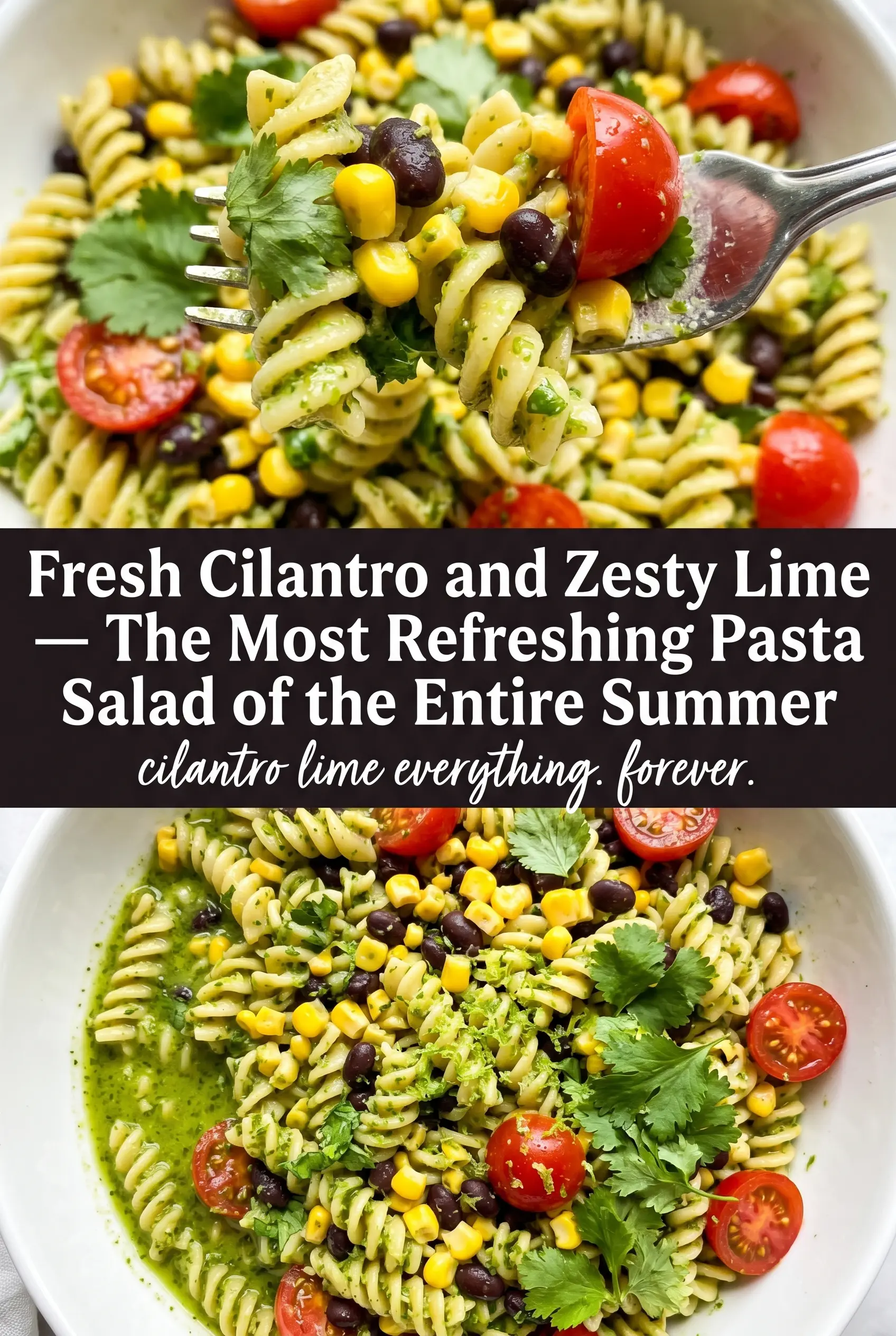
Start with the olive oil, lime juice, lime zest, cilantro, garlic, cumin, salt, and pepper, then whisk until the dressing looks emulsified and speckled green. You want the garlic and cilantro dispersed evenly so the first bite and the last bite taste the same. If the dressing tastes too sharp in the bowl, don’t chase it with sugar right away; once it hits the pasta and beans, the edge will calm down.
Toss while the pasta is cool, not wet
Drain the pasta, rinse it under cold water, and let it sit long enough to stop steaming. If it’s still hot, it will soak up the dressing unevenly and the herbs will wilt fast. The pasta should feel cool to the touch and separate easily with a shake of the bowl.
Fold in the sturdy ingredients first
Add the black beans, corn, bell pepper, and red onion to the pasta before the dressing goes in. That gives you a better distribution, especially with the beans, which like to sink to the bottom if they’re tossed in late. Stir gently but thoroughly so the dressing reaches the pasta pockets and coats the vegetables instead of pooling underneath them.
Let the fridge do the finishing
Chill the salad for at least an hour. This is where the flavor gets pulled together and the lime settles into the pasta instead of tasting separate from it. Before serving, toss again and taste for salt and lime; cold food always reads a little flatter, so the final adjustment matters.
Make It Spicier Without Changing the Balance
Add finely diced jalapeño or a pinch of chili flakes to the dressing. That keeps the heat distributed through the salad instead of landing in one hot bite. A little goes a long way because the lime already gives the salad a sharp edge.
How to Make It Gluten-Free
Use a sturdy gluten-free pasta, not a delicate one that turns mushy after chilling. Short shapes with ridges hold the dressing best. Cook it just to tender, then rinse and cool it right away so it doesn’t soften too much in the fridge.
A Dairy-Free Side That Still Feels Complete
This recipe is naturally dairy-free as written, which is part of why it works so well for cookouts and potlucks. The olive oil carries the citrus and herbs without needing anything creamy to hold it together. If you want extra richness, avocado is the better add-in than dairy because it keeps the bright finish intact.
Storage and Reheating
- Refrigerator: Store covered for up to 4 days. The pasta will absorb more dressing as it sits, so the salad may need a fresh squeeze of lime before serving.
- Freezer: I don’t recommend freezing this salad. The pasta softens too much and the vegetables lose their crisp texture.
- Reheating: This salad is meant to be served cold. If it has been very chilled, let it sit at room temperature for 10 to 15 minutes, then toss well and adjust salt, lime, and pepper.
Questions I Get Asked About This Recipe
Cilantro Lime Pasta Salad
Ingredients
Equipment
Method
- Cook penne or rotini pasta according to package directions until al dente, then drain.
- Rinse the drained pasta with cold water to cool it quickly and prevent sticking, leaving it visibly intact.
- Whisk olive oil, lime juice, lime zest, chopped cilantro, minced garlic, cumin, salt, and pepper until the dressing looks evenly green-flecked and smooth.
- Combine pasta, black beans, corn kernels, diced red bell pepper, and diced red onion in a large bowl and toss gently to distribute evenly.
- Pour the cilantro lime dressing over the salad and toss until everything is lightly coated and glossy.
- Refrigerate for at least 1 hour so the pasta cools and the flavors deepen.
- Toss again before serving and adjust seasoning with more salt and pepper if needed for a balanced lime-cilantro flavor.