Cinnamon apple cake lands in that sweet spot between cozy and celebratory: tender crumb, warm spice, and little bits of apple that melt into the batter instead of turning the whole thing soggy. The frosting gives each slice a cool, tangy finish, and the cinnamon threaded through it keeps the cake from tasting one-note. It’s the kind of layer cake people ask for after one bite, then quietly go back for a second slice when they think nobody’s looking.
The texture works because the batter leans on sour cream for moisture and structure, not just extra fat. That keeps the cake plush without making it heavy. Brown sugar brings a deeper caramel note than white sugar would, and the apples are diced small so they soften evenly and distribute through every bite instead of sinking to the bottom. The spices are balanced, too — enough cinnamon to read as apple cake, but not so much nutmeg and allspice that they take over.
Below, I’ve included the little details that matter most: how to keep the layers even, how to avoid a dense crumb, and what kind of apples give the cleanest flavor and the best texture.
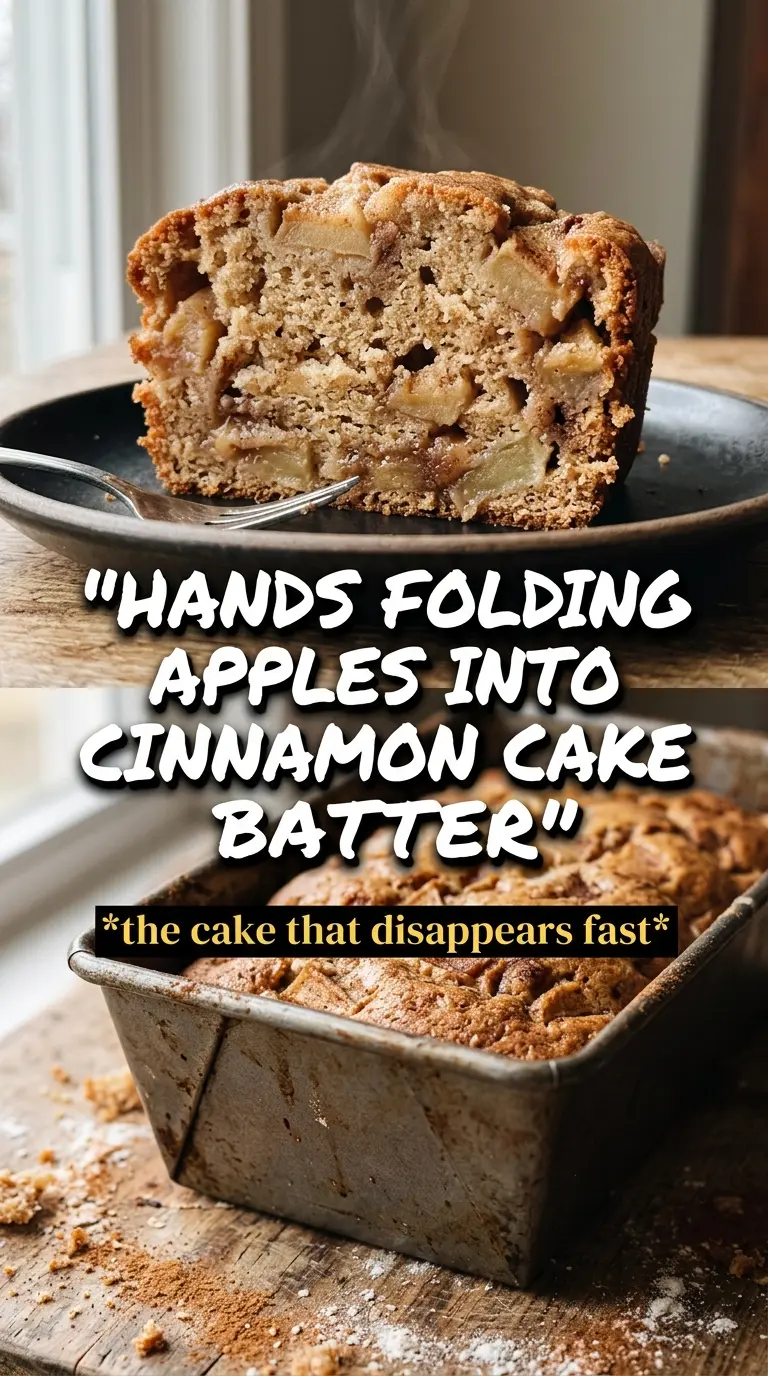
The layers baked up even and the frosting stayed fluffy instead of sliding off. I used Honeycrisp and the apple pieces were soft but still had a little bite, which made every slice taste fresh.
Cinnamon apple cake with fluffy cream cheese frosting is the kind of layer cake worth saving for a weekend bake.
The Secret to Keeping the Apple Pieces Soft, Not Wet
The biggest mistake with apple cake is treating the fruit like decoration instead of part of the batter. If the pieces are too large, they stay stubborn and can make the crumb feel uneven. If they’re too wet, they leak into the batter and drag the center down. Finely dicing the apples solves both problems: they soften as the cake bakes, but they still leave little bursts of apple in every slice.
The other thing that matters here is how the batter gets mixed. Once the flour goes in, stop as soon as it’s combined. Overmixing at that stage builds too much structure and the cake turns tight instead of tender. The sour cream keeps it rich, but it’s the careful mixing that gives you that bakery-style crumb that slices cleanly.
What Each Ingredient Is Actually Doing in This Cake
- All-purpose flour — This gives the cake its structure without making it dry. Cake flour will make the crumb a little softer, but all-purpose holds up better to the apple pieces and the frosting.
- Brown sugar — Packed brown sugar adds moisture and a deeper molasses note that plain white sugar can’t match. That extra humidity helps the cake stay tender for a couple of days.
- Sour cream — This is what keeps the crumb plush. Plain full-fat Greek yogurt works in a pinch, but the cake will taste a little tangier and slightly less rich.
- Diced apples — Peel them and cut them small. Larger chunks can create pockets that sink or bake unevenly, while small pieces soften into the batter and keep the cake balanced.
- Cream cheese frosting — Use full-fat block cream cheese, not the spreadable tub kind. The tub version is too soft and can turn the frosting loose, especially once it hits a warm cake.
Building the Batter Without Losing the Tender Crumb
Start with the dry mix
Whisk the flour, leaveners, spices, and salt together until the color looks even. That step matters more than people think, because cinnamon and nutmeg need to be spread through the flour before they ever hit the wet ingredients. If you dump everything together in layers, you’ll get pockets of spice and uneven rise. The dry mixture should look uniform and slightly warm-toned.
Whip the butter and brown sugar until light
Beat the butter and brown sugar until it turns pale, fluffy, and almost creamy in texture. That traps air in the batter and gives the cake lift before the baking powder even starts working. Add the eggs one at a time so the mixture stays smooth instead of looking curdled. If it looks separated after an egg, keep mixing; it usually comes back together once the flour starts going in.
Alternate the flour and sour cream
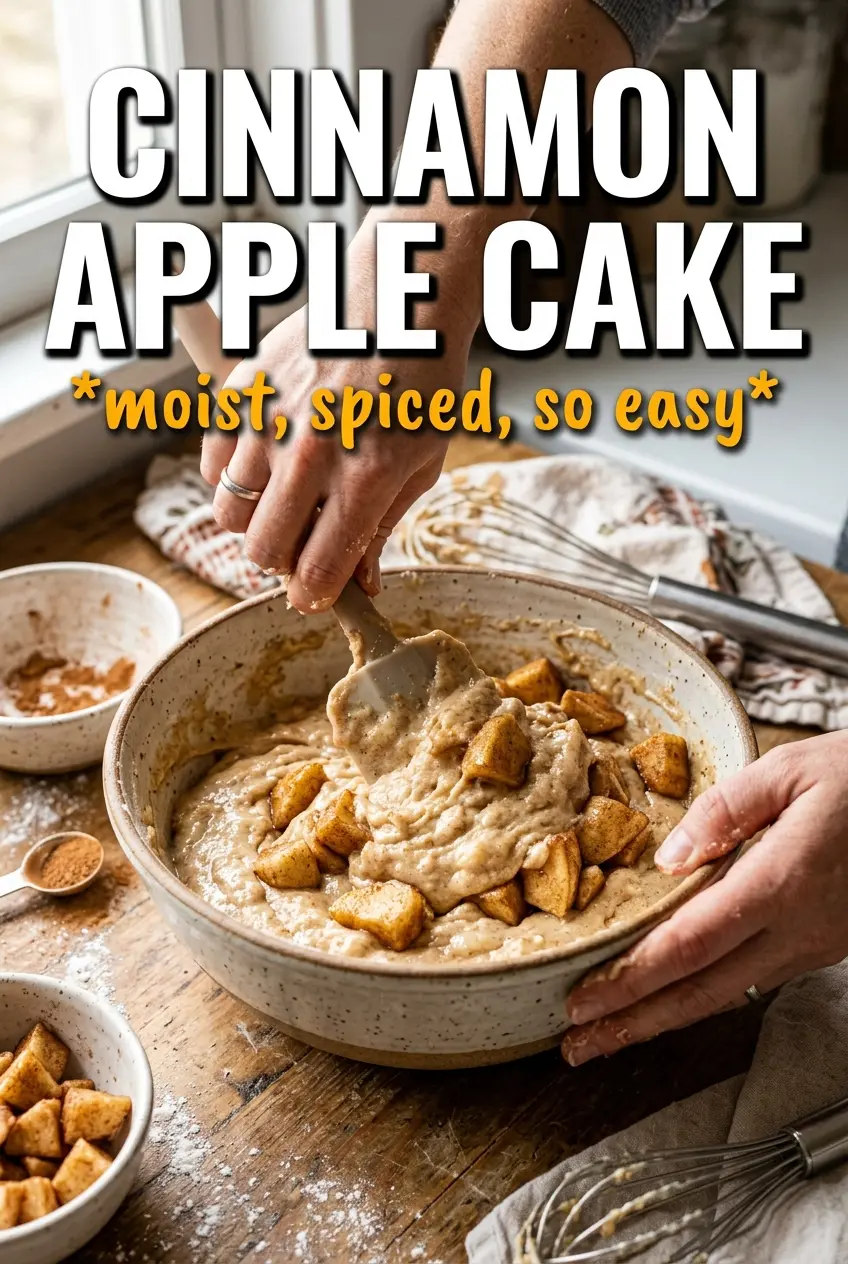
Add the flour mixture in batches, alternating with the sour cream, and stop mixing as soon as the streaks disappear. This keeps the batter from tightening up. Fold in the apples at the end with a spatula so they stay intact and don’t get crushed. The batter should be thick but spreadable, not pourable like pancake batter.
Bake until the center is set
Divide the batter evenly between the two pans and smooth the tops so they bake at the same pace. The cakes are done when the centers spring back lightly and a toothpick comes out clean or with a few moist crumbs, not wet batter. If the tops brown too quickly, your oven may run hot; rotate the pans once near the end, not halfway through, so they don’t collapse from too much movement.
Cool completely before frosting
This is the part people rush, and it’s where frosting problems start. Even slightly warm cake will soften the cream cheese frosting until it slides. Let the layers cool all the way to room temperature, then beat the frosting until fluffy and spread it on thick between the layers and over the top. A cool cake gives you clean edges and a frosting layer that holds its shape.
How to Adapt This Cake for Different Kitchens and Different Schedules
Dairy-Free Version
Use dairy-free butter, unsweetened thick dairy-free yogurt in place of the sour cream, and a dairy-free cream cheese alternative for the frosting. The cake will still bake up soft, but the frosting may be a touch looser, so chill it briefly before spreading.
Gluten-Free Cake
A good 1:1 gluten-free flour blend works here, but use one that includes xanthan gum. The crumb will be a little more delicate, and the cake may need an extra few minutes in the oven to set fully in the center.
Different Apple Choices
Honeycrisp, Granny Smith, and Fuji all work well, but they give different results. Granny Smith stays a little firmer and adds tartness, while Honeycrisp and Fuji lean sweeter and softer. Avoid apples that turn mealy when baked, because they disappear into the crumb instead of giving you those small tender bites.
Storage and Reheating
- Refrigerator: Store covered for up to 5 days. The frosting will firm up in the fridge, and the cake stays moist.
- Freezer: Freeze unfrosted layers wrapped tightly for up to 2 months. The frosted cake can be frozen, but the texture of the cream cheese frosting changes a bit after thawing.
- Reheating: Let refrigerated slices sit at room temperature for 20 to 30 minutes before serving. If you want the crumb softer, microwave a slice for just 10 to 12 seconds; any longer will melt the frosting and make the cake greasy.
Answers to the Questions Worth Asking
Cinnamon Apple Cake
Ingredients
Equipment
Method
- Preheat the oven to 350°F and grease two 9-inch round cake pans so the layers release cleanly.
- Whisk together all-purpose flour, baking powder, baking soda, cinnamon, nutmeg, allspice, and salt until evenly combined, using a dry mix with no streaks.
- Beat unsalted butter and brown sugar until very fluffy, then beat in eggs one at a time followed by vanilla extract for a lighter batter.
- Alternate adding the flour mixture and sour cream to the butter mixture, mixing just until smooth after each addition.
- Fold in the finely diced apples so the batter stays thick with visible apple pieces throughout.
- Divide the batter between the two prepared pans and bake for 50-55 minutes until a toothpick inserted in the center comes out clean with a few moist crumbs.
- Cool the cakes completely before frosting, keeping them at room temperature until fully set to prevent the frosting from melting.
- Beat the cream cheese until smooth, then beat in butter until creamy and spreadable.
- Beat in powdered sugar, cinnamon, and vanilla until fluffy, thick, and pale with a frosting that holds soft ridges.
- Frost between the layers and all over the cake using a flat offset spatula so the sides are coated and the top is evenly swirled.