Molasses cookies hit the sweet spot between crisp edges and a soft, chewy center, with that deep, warm spice that makes people grab a second cookie before they’ve finished the first. The sugar coating turns into a thin crackly shell in the oven, and the middle stays tender and plush instead of dry or cakey. That contrast is what keeps this recipe in the rotation.
The trick is using enough molasses to bring flavor and chew without weighing the dough down. Brown sugar adds moisture and helps with that dense, soft texture, while a short chill keeps the cookies from spreading too fast. I also like the small hit of black pepper here; it doesn’t make the cookies spicy, but it sharpens the ginger and cloves in a way that makes the whole cookie taste fuller.
Below, I’ll walk through the one detail that matters most for the crinkly tops, plus the ingredient swap that keeps the flavor balanced if you need to adjust the spice level.
The cookies came out with those perfect cracked tops and stayed soft in the middle even the next day. I chilled the dough like you said, and the sugar coating gave them the best little crunch.
Save these molasses cookies for the days when you want soft centers, crackly sugar tops, and warm spice in every bite.
The Secret to Crinkled Tops Without Dry Cookies
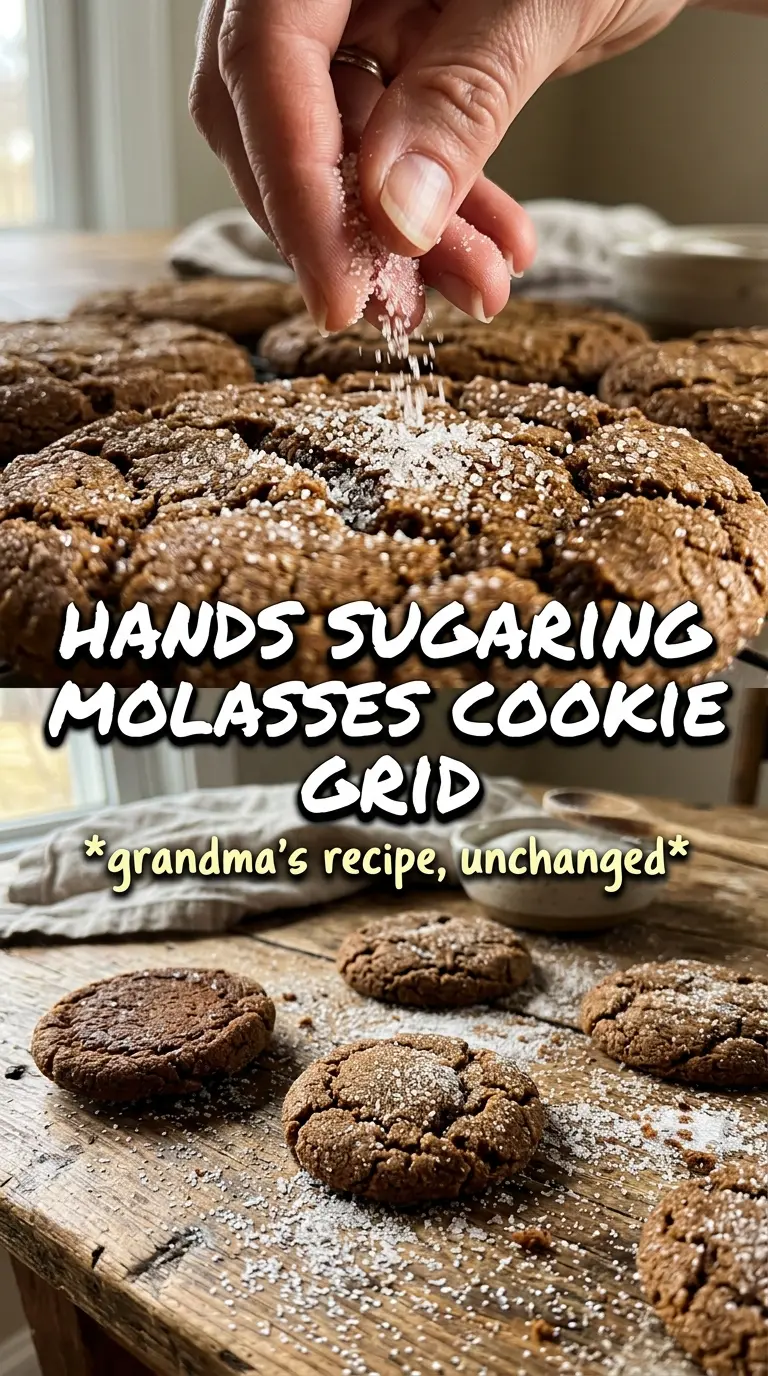
Molasses cookies can go wrong in one of two ways: they spread into flat, sugary disks, or they bake up thick and dry with no crackle on top. The cure is a dough that is cold enough to hold its shape but soft enough for the outside to melt and wrinkle in the oven. That’s why the chill matters here. It isn’t just about convenience; it gives the sugar coating time to stay on the surface instead of disappearing into the dough.
Baking time matters just as much. Pull them when the tops look set and crinkled but the centers still look a little underbaked. If you wait until they look fully done in the oven, they’ll go too far by the time they cool. The last five minutes on the baking sheet finish the job and give you that chewy middle with crisp edges.
- Chilled dough — keeps the cookies from spreading too fast and helps the crackled top form instead of flattening out.
- Generous sugar rolling — creates the sparkly crust and encourages the tops to split as the cookies expand.
- Underbaking slightly — preserves the soft center. The cookies finish setting as they cool on the pan.
What Each Spice Is Actually Doing in These Cookies
- Molasses — this is the flavor backbone. Use regular molasses, not blackstrap, because blackstrap is much more bitter and can overpower the cookie. If you need a substitute in a pinch, dark corn syrup will change the flavor completely, so I wouldn’t call it a real swap.
- Brown sugar — brings moisture and helps the cookies stay soft in the center. Dark brown sugar works if that’s what you have, and it will push the flavor a little deeper and more caramel-like.
- Butter — gives the cookies their rich base and helps with the tender bite. Softened butter creams properly with the sugars, which matters for the final texture more than most people think.
- Black pepper — it sounds small, but it wakes up the warm spices. You don’t taste pepper in a sharp, savory way; you just notice that the ginger and cloves taste brighter.
- Baking soda — gives these cookies their lift and helps create the crinkled surface. If it’s old, the cookies bake up flatter and heavier, so use fresh soda here.
Mixing the Dough So It Bakes Thick and Tender
Whisk the dry ingredients first
Start with the flour, baking soda, spices, black pepper, and salt. You want the spices evenly distributed so one cookie doesn’t end up all clove and another tastes bland. This also keeps the baking soda from clumping, which can leave a bitter little pocket in the dough.
Cream the butter and sugars until light
Beat the butter with the brown sugar and granulated sugar until the mixture looks fluffy and slightly lighter in color. This step traps air, which gives the cookies a little lift before the molasses and flour take over. If the butter is too cold, the mixture looks greasy and dense instead of airy, and the cookies usually bake up heavier.
Stop mixing as soon as the flour disappears
Add the flour mixture and fold just until combined. Overmixing after the flour goes in develops too much gluten and makes the cookies tough instead of tender. The dough should look soft and a little sticky, not dry or fully smooth.
Roll, chill, and bake at the right moment
Scoop the dough, roll it generously in granulated sugar, and give the cookies a 30-minute chill before baking. The sugar coating should look thick enough to sparkle on the outside, not patchy. Bake at 375°F until the tops are crinkled and the centers still look soft; if the cookies are fully set in the oven, they’ve gone too far.
Less Ginger, More Cinnamon
If you want a softer spice profile, cut the ginger back a little and add it to the cinnamon instead. The cookies will taste rounder and less sharp, but they’ll still keep that classic molasses warmth.
Gluten-Free Version
Use a cup-for-cup gluten-free flour blend that already contains xanthan gum. The dough may need a longer chill because some blends bake up a little softer, but the finished cookies should still crackle and stay chewy.
Dairy-Free Swap
Use a plant-based butter that bakes and creams like real butter. The texture stays close to the original, though the flavor loses a little richness, so don’t skip the vanilla and spices.
Storage and Reheating
- Refrigerator: Store in an airtight container for up to 5 days. The sugar coating softens a little, but the cookies stay chewy.
- Freezer: Freeze baked cookies for up to 2 months, or freeze scooped dough balls and roll them in sugar just before baking. Dough freezes better than baked cookies if you want the freshest texture later.
- Reheating: Warm baked cookies in a 300°F oven for 3 to 5 minutes. Don’t use the microwave unless you want a soft, steamy cookie instead of crisp edges.
Answers to the Questions Worth Asking
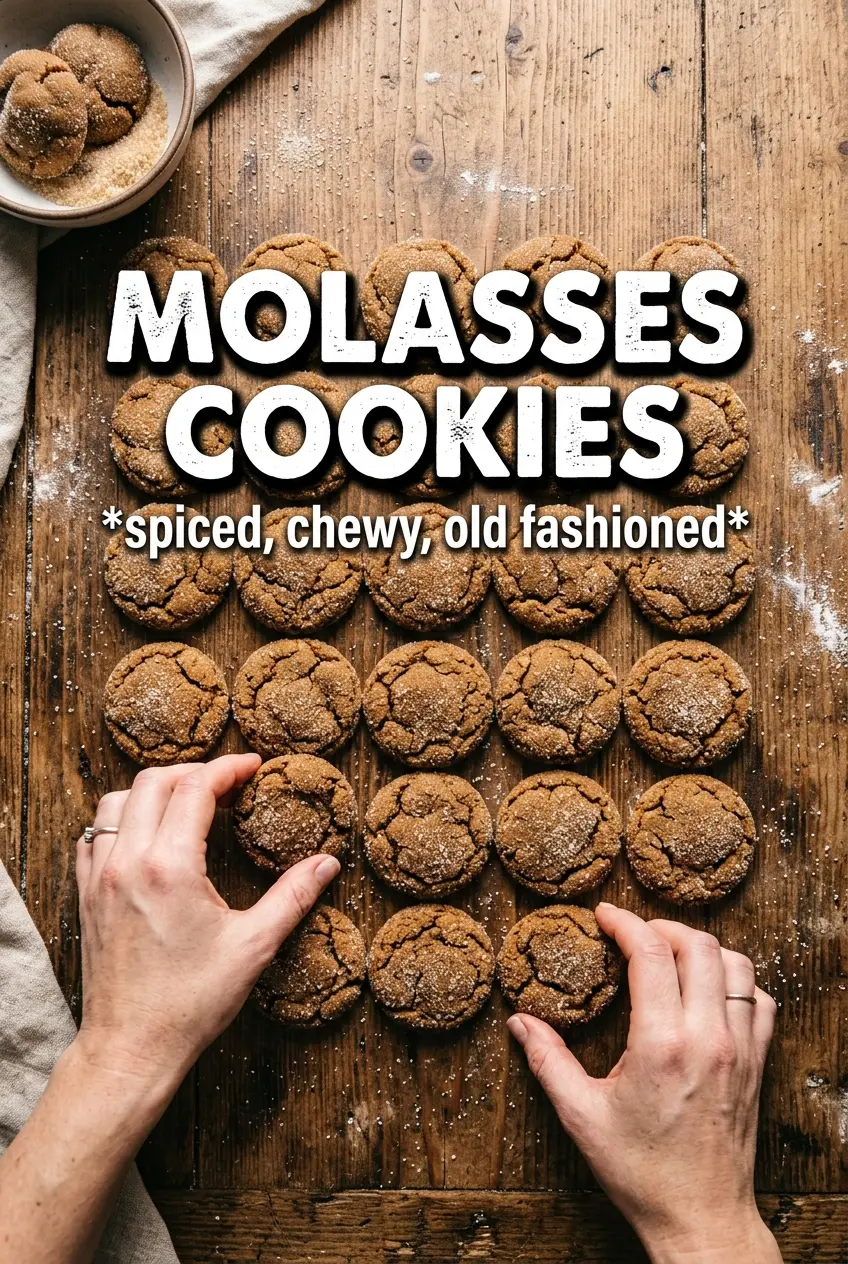
Molasses Cookies
Ingredients
Equipment
Method
- Whisk together all-purpose flour, baking soda, cinnamon, ginger, cloves, allspice, black pepper, and salt until evenly combined.
- Beat unsalted butter, brown sugar, and granulated sugar until fluffy, then beat in molasses, egg, and vanilla extract until smooth.
- Fold the flour mixture into the wet ingredients until just combined, stopping as soon as no dry streaks remain.
- Refrigerate the dough for 30 minutes to firm it up for easier scooping and better crinkle texture.
- Preheat the oven to 375F and line baking sheets with parchment.
- Scoop dough into 1-1/2 tablespoon balls, then roll generously in granulated sugar.
- Bake for 9-11 minutes at 375F, until the tops are crinkled and the centers still look underdone.
- Cool the cookies on the pan for 5 minutes, so they firm while staying chewy with crisp edges.