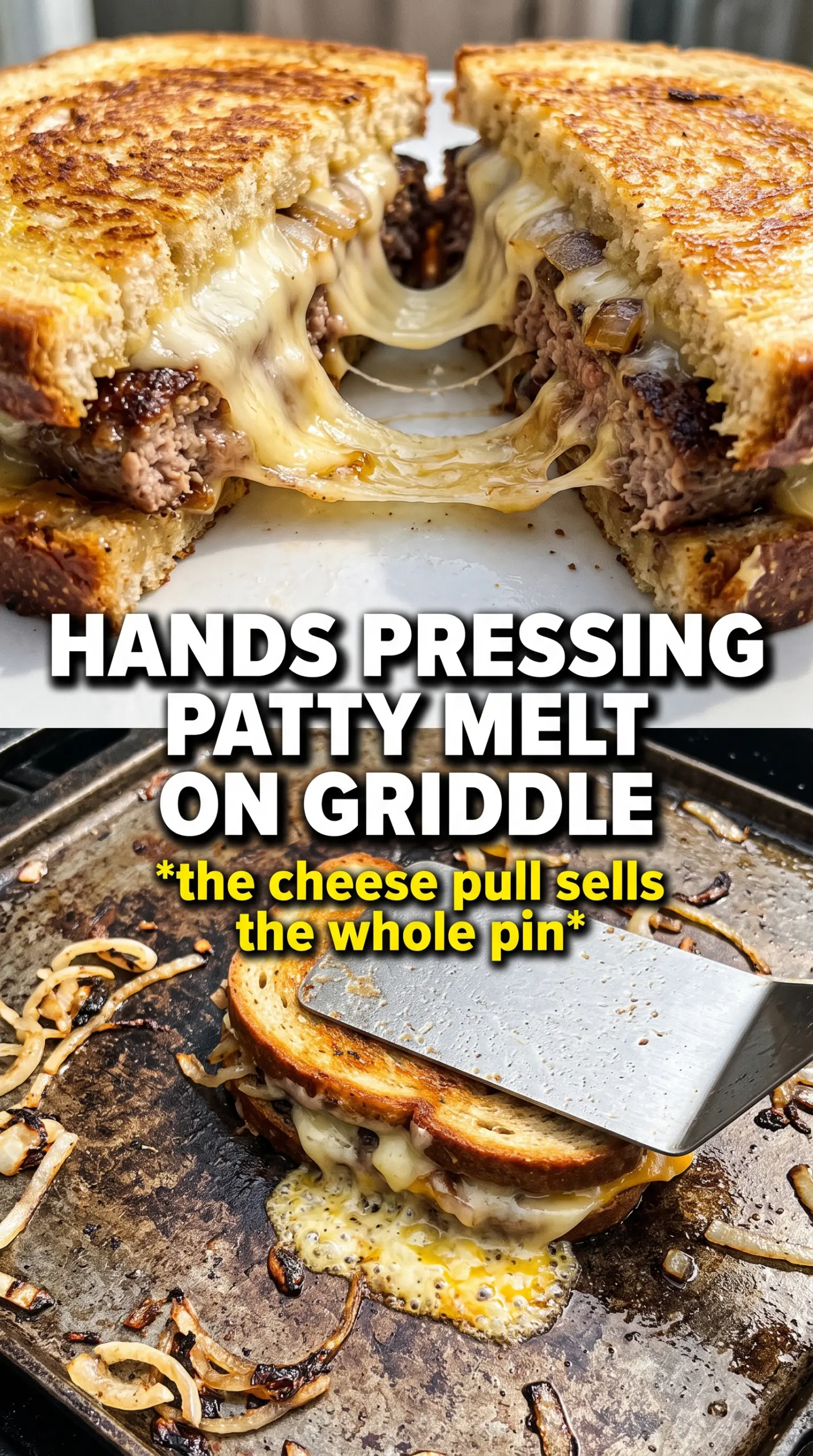
Crackly rye, a thin smash-style beef patty, and onions cooked down until sweet and jammy give a patty melt the kind of contrast that keeps you coming back for one more bite. The bread turns deeply golden in butter while the cheese melts into the onions and beef, so every layer gets its own job instead of all of it blurring together.
This version leans on a hot skillet and a long onion cook, because rushed onions taste sharp and watery, and a thick patty fights the sandwich instead of supporting it. A little Worcestershire in the beef adds depth without turning it into meatloaf, and using both Swiss and sharp cheddar gives you melt plus bite. The special sauce ties the whole thing together without making the bread soggy.
Below you’ll find the exact assembly order that keeps the sandwich crisp, plus a few swaps that still give you that classic diner-style result.
The onions cooked down into this sweet, almost spreadable layer and the bread stayed crisp even after the second press. My husband said it tasted like the best diner patty melt he’s had at home.
Save this patty melt for the nights when you want crispy rye, melty cheese, and caramelized onions in one skillet.
The Part People Rush: Onions That Need Time to Turn Sweet
The onions are what separate a good patty melt from a sandwich that just happens to contain cheese and beef. If they go in over high heat, they brown in spots, stay sharp in the middle, and never develop that soft, almost spreadable texture that makes the whole sandwich taste richer. Medium-low heat gives the moisture time to cook off before the sugars take over, which is how you get that deep golden color without burning the edges.
Do the onions first and let them finish before you cook the patties. That way the skillet is free for the beef, and you aren’t trying to manage a full assembly line while the bread burns. If the pan looks dry halfway through, add a small bit of butter, not a splash of water, because you want gentle fat and heat, not steaming.
What Each Layer Is Doing in This Sandwich
- 80/20 ground beef — The fat keeps the patties juicy enough to handle the second press in the skillet. Leaner beef dries out fast and eats like a burger patty, not a patty melt.
- Rye bread — Rye has enough structure and flavor to stand up to the onions and sauce. Thin sandwich bread gets soggy before the cheese finishes melting.
- Swiss plus cheddar — Swiss melts cleanly and gives that classic diner note, while sharp cheddar or American brings a little extra punch. Using both gives you better melt than cheddar alone and more flavor than Swiss alone.
- Worcestershire sauce — A small amount in the beef deepens the savory flavor without making the meat taste saucy. Don’t pour too much in, or the patties can turn loose and harder to smash cleanly.
- Butter — Butter on the bread is what gives you the crisp, browned exterior. If you use oil instead, you’ll get color, but not that same toasted, rich finish.
- Special sauce — Mayo gives body, ketchup adds tang, Dijon sharpens it, and the extra Worcestershire folds the sauce into the rest of the sandwich. Stir it until smooth so it spreads evenly and doesn’t clump under the bread.
How to Build a Crisp Patty Melt Without Soggy Bread
Caramelizing the onions until they turn jammy
Slice the onions thin so they soften at the same pace, then cook them in butter over medium-low heat until they collapse and turn deep golden. Stir them often enough to keep the edges from scorching, but not so constantly that they never pick up color. If they still taste sharp after 20 minutes, they need more time; the sweetness only shows up once most of the water has cooked off.
Smashing the beef while the skillet is hot
Divide the beef into loose balls and season them just before they hit the pan. Lay them in a ripping-hot cast iron skillet and smash them thin right away so they sear fast instead of steaming. If the pan isn’t hot enough, the patties will shrink and puff instead of forming that crisp edge you want in a patty melt.
Toasting the bread and melting the sandwich together
Butter the rye, toast it in the skillet, and build the sandwich with the toast, sauce, onions, patty, cheese, more onions, and the top slice. Return it to the skillet and press lightly so the cheese starts to glue the layers together. If you press too hard, you squeeze out the juices; if you skip the final skillet finish, the cheese stays separate and the sandwich falls apart when you cut it.
Make it a little lighter
Use 85/15 beef and keep the patties a touch thinner so they cook through before the bread over-browns. You’ll lose a little richness, but the sandwich still lands with good texture if you don’t skip the final press.
Gluten-free version
Swap in sturdy gluten-free sandwich bread and toast it well before assembling. Rye has a very specific flavor, so the result won’t taste identical, but the key is choosing a bread that can handle the weight of the onions and cheese without falling apart.
No Swiss on hand
Use all cheddar or American if that’s what you have, but keep one slice of a very melty cheese in the mix if possible. You’ll get a more even melt and fewer dry spots between the beef and bread.
Storage and Reheating
- Refrigerator: Store cooked patties and onions for up to 3 days. The assembled sandwich softens in the fridge, so it’s better to keep the parts separate.
- Freezer: The cooked patties freeze well for up to 2 months. Freeze the onions separately; the bread does not freeze well once assembled.
- Reheating: Reheat the patties and onions in a skillet over medium heat, then build fresh sandwiches and toast them again. Microwaving the full sandwich makes the bread chewy and leaves the cheese greasy instead of melted.
Questions I Get Asked About This Recipe
Patty Melt
Ingredients
Equipment
Method
- Melt 2 tablespoons unsalted butter in a cast iron skillet over medium-low heat, then add thinly sliced onions and cook for 25-30 minutes, stirring occasionally, until deeply golden.
- Stir in 2 tablespoons Worcestershire sauce and cook 1-2 minutes more over medium-low heat so the onions turn glossy and flavorful.
- Divide 80/20 ground beef into 4 balls, then season each with Worcestershire sauce, garlic powder, salt, and pepper.
- Heat the cast iron skillet over high heat until very hot, then smash each beef ball thin and cook 2-3 minutes per side until browned and cooked through.
- Spread the remaining butter on rye bread and toast in the same skillet until golden, flipping as needed for even browning.
- Stir mayo, ketchup, Dijon, and Worcestershire sauce together until smooth and creamy.
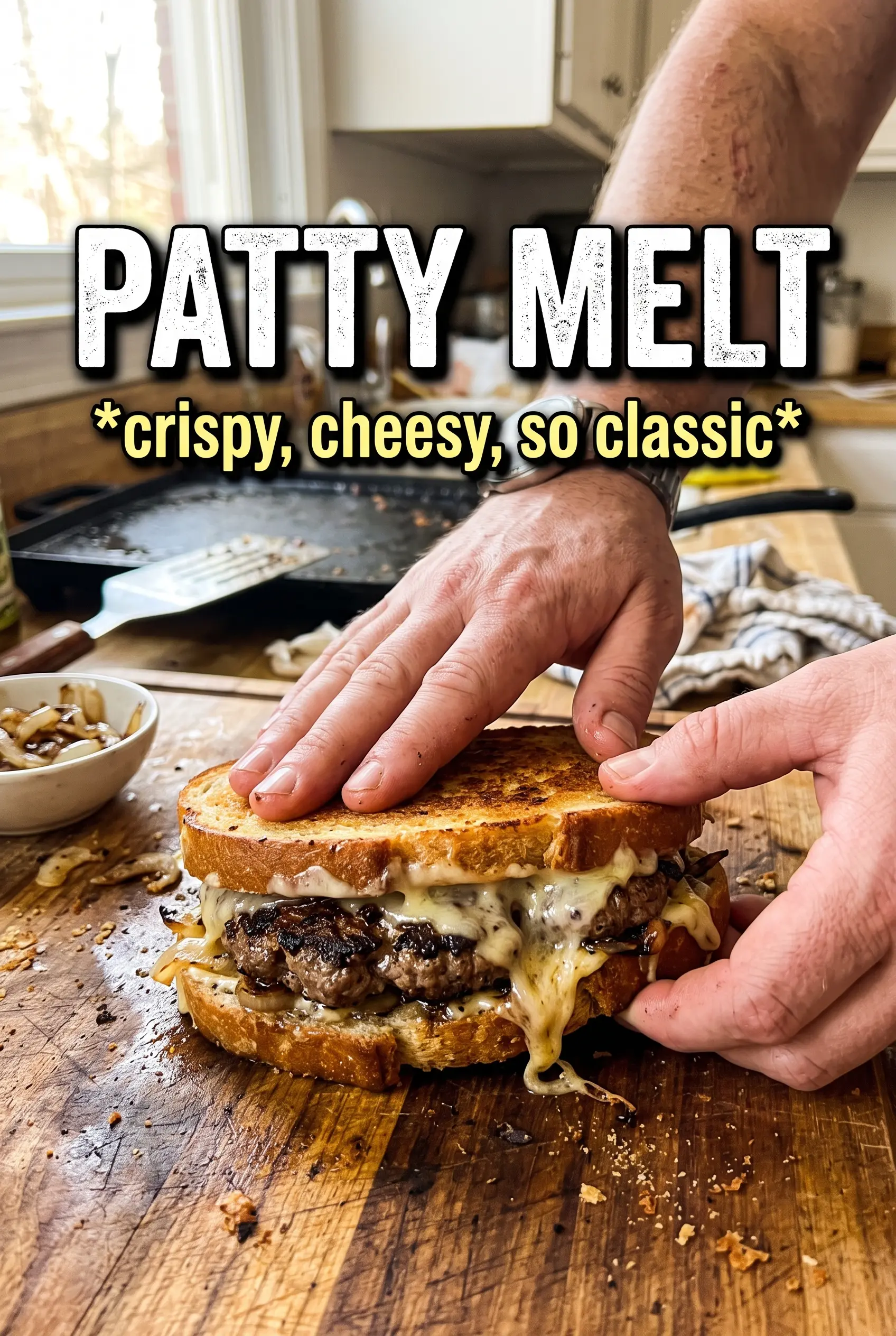
- Assemble each patty melt in the skillet in this order: toasted rye bread, special sauce, caramelized onions, smashed patty, Swiss cheese, sharp American or cheddar cheese, more onions, and final toast.
- Press everything together and cook for 1-2 minutes per side over medium to medium-high heat until both cheeses are melted and the bread is crisp.