Soft pumpkin chocolate chip cookies can go cakey fast, but the right balance of blotted pumpkin, egg yolk, and enough butter gives you something better: tender centers, crisp edges, and puddles of melted chocolate in every bite. These bake up with that unmistakable pumpkin-spice warmth, but they still taste like a cookie first, not a muffin in disguise.
The difference is moisture control. Pumpkin puree brings great flavor, but it also brings a lot of water, and that extra liquid is what makes so many pumpkin cookies puff instead of spread. Blotting the puree until it’s dry, then using just the yolk instead of a whole egg, keeps the dough rich without turning it loose. A short bake and a little flaky salt on top finish the whole thing off in a way that feels bakery-made without any fuss.
Below you’ll find the small details that matter most, including how dry the pumpkin should be, what the dough should look like before it hits the oven, and how to store the cookies so they stay soft without losing that chocolate-chip edge.
The pumpkin flavor came through without making the cookies cakey, and blotting the puree made a huge difference. Mine spread just enough to get those caramelized edges and stayed soft in the middle for days.
Like these pumpkin chocolate chip cookies? Save them to Pinterest for the batch with soft centers, crisp edges, and just enough cinnamon on top.
The Reason Pumpkin Cookies Turn Cakey Before They Turn Crisp
Pumpkin cookie dough fails for one main reason: too much water. Even when the ingredients look balanced on paper, pumpkin puree can behave like a sneaky extra egg, and that pushes the texture toward muffin-like instead of cookie-like. Blotting the puree until it feels thick and pasty is what gives these cookies enough structure to spread a little in the oven instead of doming up.
The other quiet fix is the egg yolk. The yolk adds richness and helps bind the dough without the extra moisture from the white. That matters here because the dough already has pumpkin in it, and any unnecessary liquid makes the cookies bake up soft in the wrong way. The goal is a cookie that looks slightly underdone in the center when it comes out, then settles into a tender middle as it cools.
- Blotted pumpkin puree — This is the key to getting actual cookie texture. The drier the puree, the better the dough spreads and caramelizes.
- Egg yolk only — The yolk gives you richness and structure without loosening the dough the way a whole egg would.
- Flaky sea salt — It sharpens the chocolate and keeps the cookies from tasting flat after the pumpkin spice settles in.
- Brown sugar — This keeps the centers soft and adds a little molasses depth that fits pumpkin better than white sugar alone.
What Each Ingredient Is Actually Doing in These Cookies
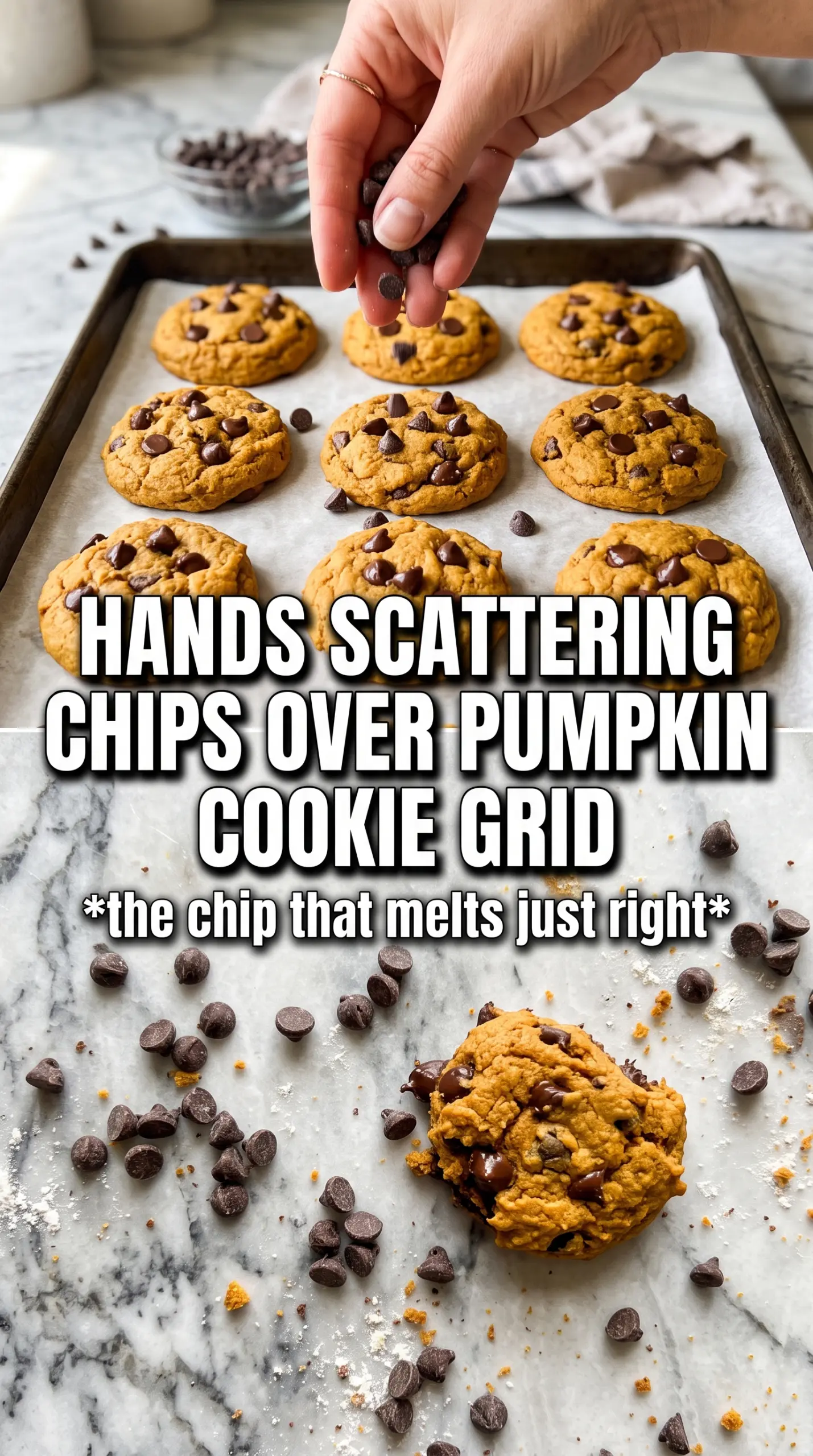
- All-purpose flour — Gives enough structure to hold the chocolate chips and the pumpkin without turning dense. Don’t swap in cake flour here; it’s too soft for the balance this dough needs.
- Baking soda and baking powder — The soda helps with spread and browning, while the baking powder gives a little lift so the cookies don’t bake up flat. You need both because pumpkin dough is heavy with moisture.
- Pumpkin pie spice and cinnamon — Pumpkin pie spice brings the classic warm notes, and the extra cinnamon keeps the flavor from tasting muddy. Fresh spice matters here more than a brand-name pumpkin puree does.
- Butter — Softened butter creams with the sugars to trap air, which helps the cookies bake up with lighter centers. If the butter is melted, the dough will spread too fast and the texture will go greasy instead of tender.
- Dark or semi-sweet chocolate chips — Dark chocolate works best because it offsets the sweetness and stands up to the spice. If you only have milk chocolate, the cookies will taste sweeter and a little less layered.
Getting the Dough to Spread Instead of Puff
Blotting the Pumpkin Until It Changes Texture
Spread the pumpkin puree between layers of paper towels and press until it feels thick, almost like damp clay. If the puree still looks glossy or wet, it will bring too much moisture into the dough and the cookies will bake up puffy. This step takes a minute, but it changes the whole batch.
Creaming the Butter and Sugars Properly
Beat the softened butter with both sugars until it looks lighter in color and a little fluffy around the edges of the bowl. That air is what gives the cookies some lift before the pumpkin goes in. If the butter is too cold, it won’t cream; if it’s greasy and loose, the dough will never hold shape.
Keeping the Dough Just Barely Mixed
Fold in the flour mixture only until the last streaks disappear, then stop and add the chocolate chips. Overmixing at this point tightens the dough and makes the cookies tougher, which is the last thing you want in a soft pumpkin cookie. Scoop the dough right away so the butter doesn’t warm up too much while it sits.
Baking Until the Edges Set and the Centers Still Look Soft
Bake the cookies just until the edges are golden and the centers no longer look wet. They should look a little underdone when you pull them out; that’s how they stay soft after cooling. Let them sit on the pan for five minutes before moving them, because the chocolate chips and tender centers need that time to settle.
Three Ways to Make These Cookies Fit What You’ve Got
Dairy-Free Version
Use a solid plant-based butter with a neutral flavor and the same measurement. The cookies will still spread and brown, though the flavor will be a little less rich and the edges won’t caramelize quite as deeply.
Gluten-Free Swap
A good 1:1 gluten-free baking flour works here if it includes xanthan gum. The texture will be slightly more delicate, and chilling the dough for 15 to 20 minutes before baking helps keep the cookies from spreading too much.
Extra Chocolate, Less Spice
If you want the pumpkin to play a quieter role, cut the pumpkin pie spice in half and add an extra handful of chocolate chips. The cookies will taste more like a classic chocolate chip cookie with a gentle pumpkin background instead of a full spice-cookie profile.
Storage and Reheating
- Refrigerator: Store in an airtight container for up to 5 days. They stay soft, though the chocolate chips will firm up a bit.
- Freezer: These freeze well. Freeze baked cookies in a single layer, then transfer to a container for up to 2 months, or freeze scooped dough balls and bake from frozen with 1 to 2 extra minutes.
- Reheating: Warm a cookie in the microwave for 8 to 10 seconds or in a low oven for a few minutes. Don’t overheat them or the chocolate will seize and the centers will dry out.
Answers to the Questions Worth Asking
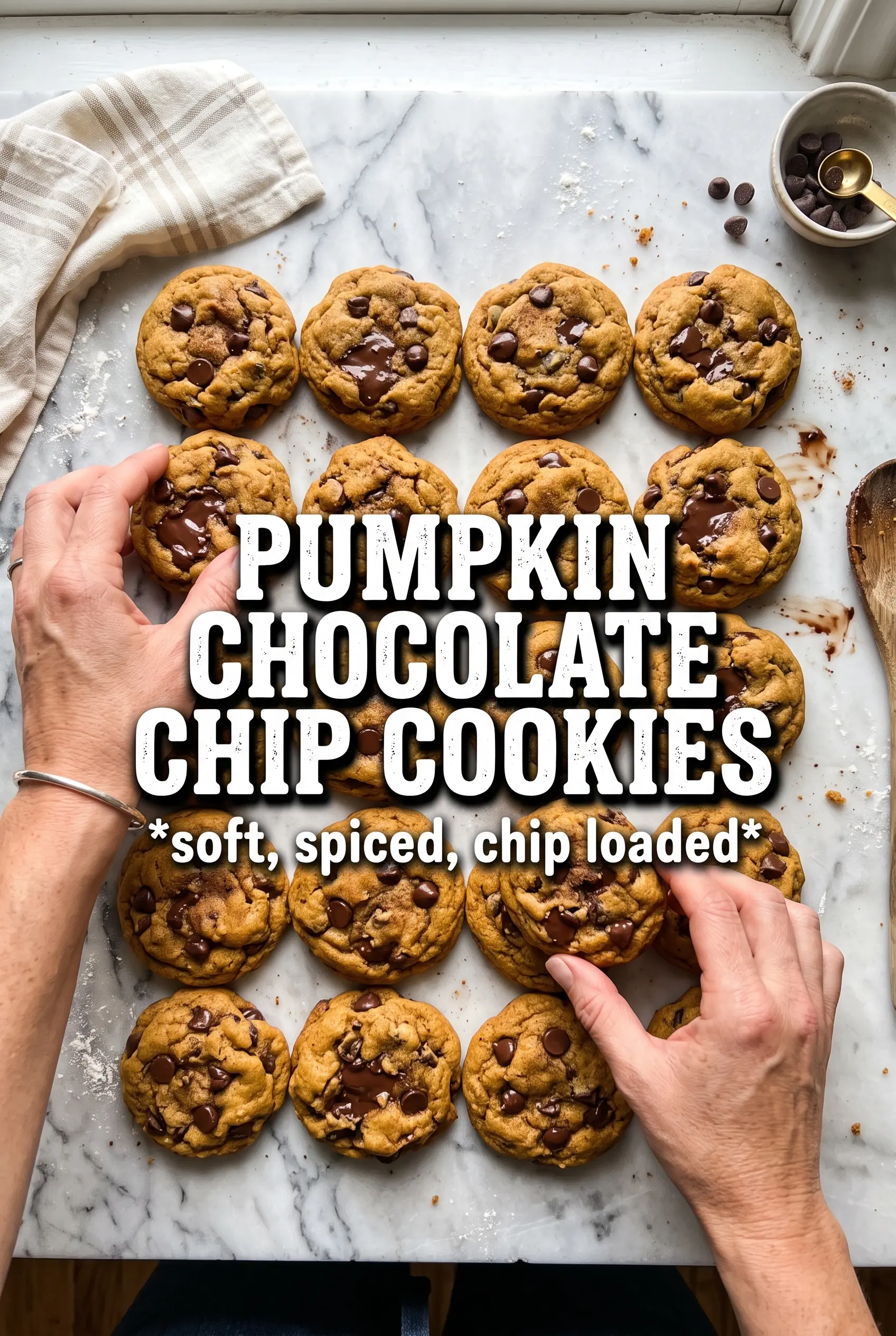
Pumpkin Chocolate Chip Cookies
Ingredients
Equipment
Method
- Preheat oven to 375F and line baking sheets with parchment, so the cookies bake evenly right away.
- Blot pumpkin puree between many layers of paper towels until very dry, which helps the cookies spread and crisp.
- Whisk all-purpose flour, baking soda, baking powder, pumpkin pie spice, cinnamon, and salt until evenly combined.
- Beat softened unsalted butter and both sugars until fluffy, about smooth and lighter in color.
- Add blotted pumpkin puree, egg yolk, and vanilla extract, then beat until the mixture looks cohesive and thick.
- Fold the flour mixture into the wet ingredients until just combined with no dry streaks.
- Fold in dark or semi-sweet chocolate chips so they’re evenly distributed throughout the dough.
- Scoop dough into 2-tablespoon rounds and space them on the parchment for consistent baking.
- Bake at 375F for 11-13 minutes until golden at the edges and set in the centers.
- Sprinkle flaky sea salt over the warm cookies, then cool on the pan for 5 minutes so they finish setting.