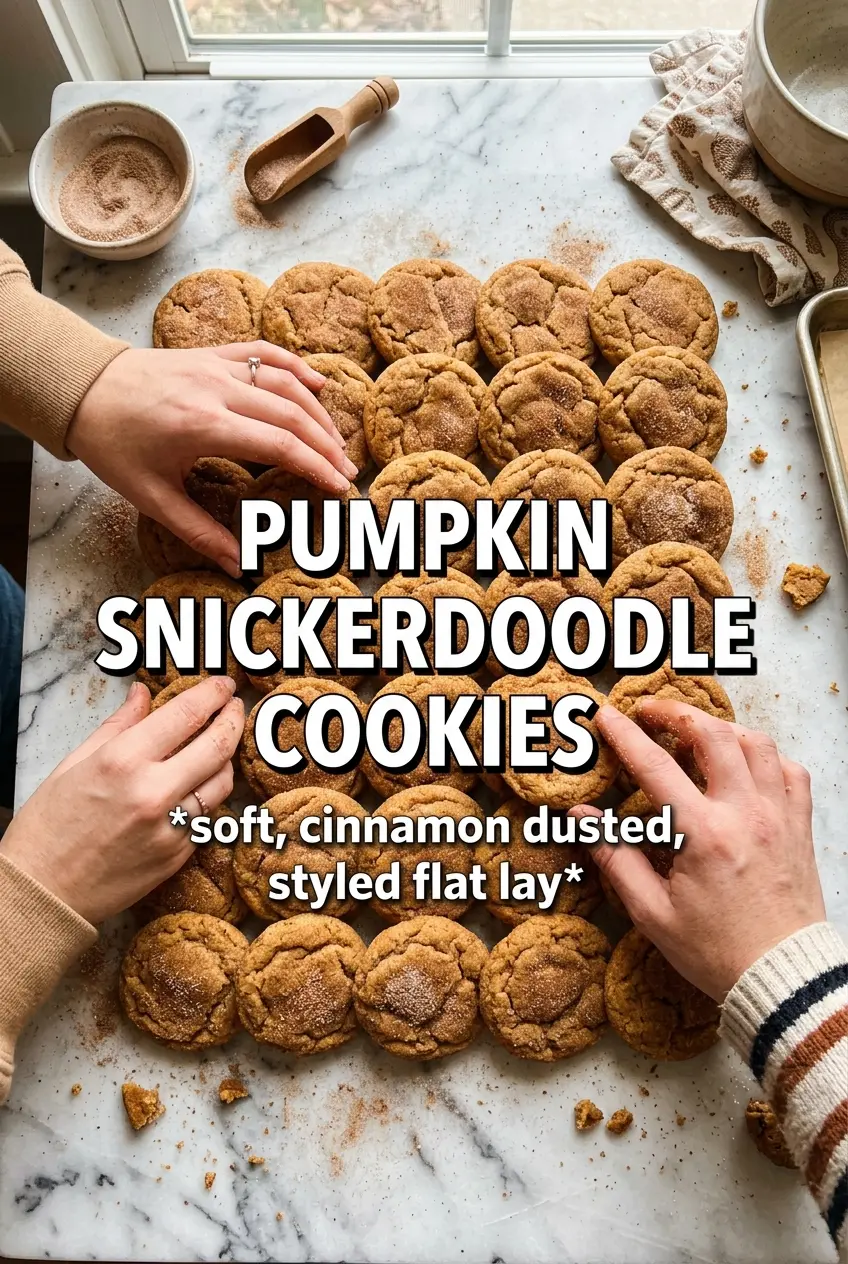
Warm spice, crisp edges, and a soft, pillowy center are what make pumpkin snickerdoodle cookies worth baking on repeat. They taste like a classic snickerdoodle that got a fall makeover, but the texture still stays front and center: crinkled tops, a cinnamon-sugar shell, and just enough pumpkin to bring color and moisture without turning the dough cakey.
The trick is managing that pumpkin puree before it ever reaches the bowl. Pumpkin brings a lot of water with it, and if you skip blotting it dry, the cookies spread less evenly and bake up softer than they should. Cream of tartar keeps the flavor sharp and recognizable as a snickerdoodle, while the butter and sugar are whipped long enough to trap air so the cookies stay light instead of dense.
Below, you’ll find the small details that matter most: how dry the pumpkin needs to be, when the dough should chill, and how to get that crinkly sugar-coated finish without overbaking the centers.
The pumpkin flavor came through without making them cakey, and blotting the puree first made a huge difference. They baked up with those crinkly tops and stayed soft in the middle even the next day.
Like these pumpkin snickerdoodle cookies? Save them for the batch that needs soft centers, crinkly cinnamon-sugar tops, and real pumpkin flavor.
The Part Most Pumpkin Cookies Get Wrong
The biggest mistake in pumpkin cookies is treating pumpkin puree like a wet flavoring instead of a source of extra moisture. That extra water changes everything. It softens the dough, dulls the spice coating, and can push the cookies toward a muffin-like texture instead of the tender, slightly chewy bite you want here.
Blotting the pumpkin puree is not a fussy extra step. It removes just enough moisture to let the dough bake up with defined edges and those familiar snickerdoodle cracks on top. The other piece that matters is the spice balance: cream of tartar keeps the cookie bright and tangy, while cinnamon, nutmeg, ginger, and allspice give the pumpkin a more complete spice cabinet than cinnamon alone ever could.
- Blotted pumpkin puree — This keeps the cookies from spreading oddly or baking up too soft. Press it between paper towels several times until it looks thicker and less glossy.
- Cream of tartar — It gives the cookies their classic snickerdoodle tang and helps the texture stay light. There isn’t a perfect substitute if you want the real thing.
- Butter and sugar — Beating them until pale and fluffy adds air, which helps the cookies rise instead of packing down. This step matters more than people think.
- Warm spices — The blend does more than make the cookies taste seasonal. It rounds out the pumpkin so the flavor reads as cookie first, pumpkin second.
What Each Ingredient Is Actually Doing in These Cookies
- All-purpose flour — This gives the cookies enough structure to hold their shape after scooping and rolling. A measure-for-measure gluten-free blend can work, but the cookies will be a touch more fragile.
- Butter — Use softened, not melted, butter so the dough whips properly. Melted butter makes the cookies spread faster and lose that pillowy center.
- Egg — One egg binds everything without making the dough too wet. More than one starts moving the texture toward cake.
- Pumpkin puree — Canned pumpkin is perfect here, as long as you blot it dry. Homemade pumpkin puree can work, but it often holds more water and needs extra blotting.
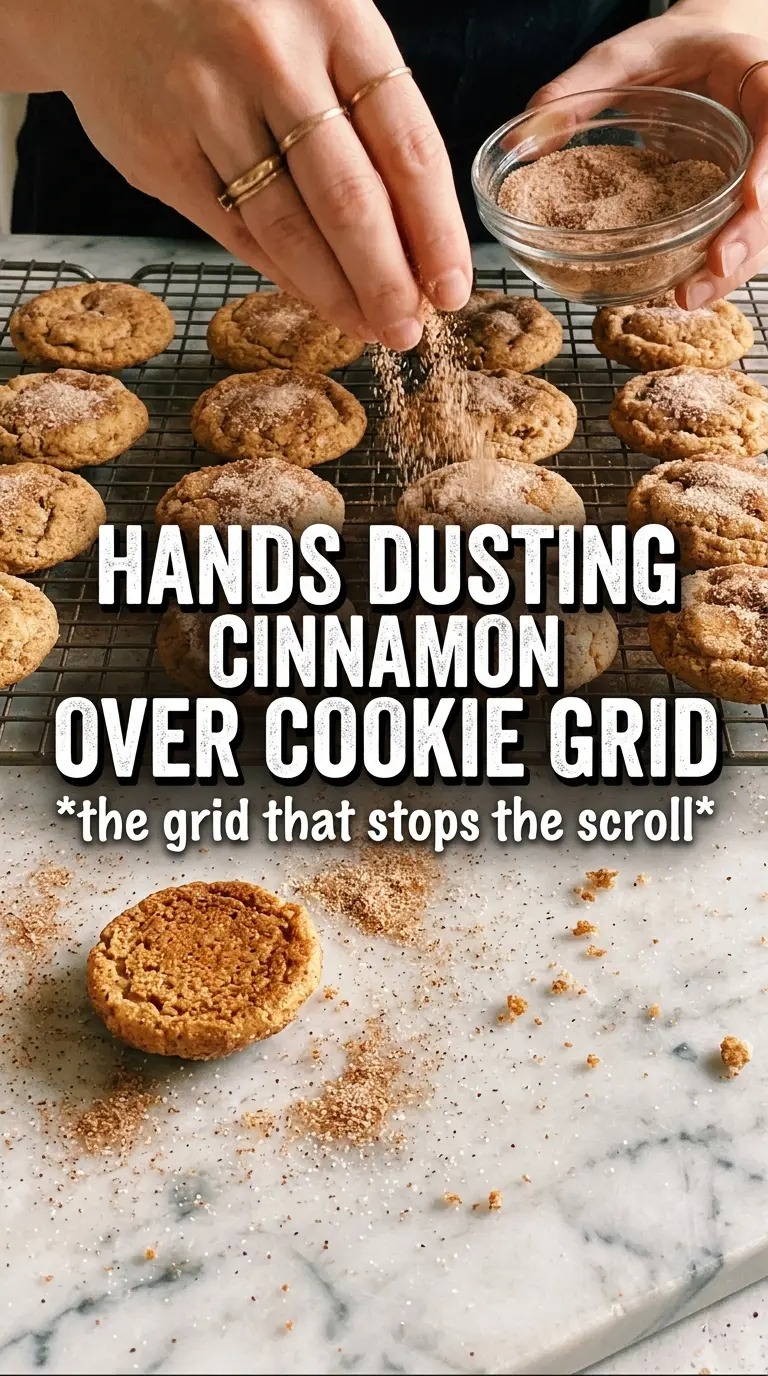
- Cinnamon-sugar coating — This gives the cookies their crackly, sparkling finish. Roll them generously so the coating bakes into a thin shell instead of disappearing into the dough.
Mixing the Dough So the Cookies Stay Soft, Not Puffy
Whipping the Butter Base
Start by beating the butter and sugar until the mixture looks pale and fluffy, not just blended. That step builds the texture that keeps the cookies soft without making them heavy. Once the egg, vanilla, and blotted pumpkin go in, the mixture may look a little curdled, and that’s fine. It comes together when the flour is added.
Keeping the Dough Just Combined
Stir the dry ingredients in only until no dry flour streaks remain. If you keep mixing after that, the gluten tightens and the cookies lose their tender bite. The dough will be slightly sticky, which is normal for this recipe. If it feels loose enough to slump off a spoon, chill it for 30 minutes so the scoops hold their shape.
Rolling for the Crinkled Finish
Scoop the dough into 1 1/2 tablespoon balls, then roll each one generously in the cinnamon-sugar mixture. A heavy coating is what creates that classic crinkled surface as the cookies bake and spread. If the coating looks sparse, the tops bake up dull instead of sparkly and you lose the snickerdoodle look.
Baking Until the Edges Set
Bake just until the edges look set and the tops are crinkled, usually 10 to 12 minutes. The centers should still look soft when you pull the pan out. They finish setting on the hot baking sheet, and that resting time is what keeps them from turning dry. Let them sit on the pan for 5 minutes before moving them.
How to Adapt Them for Different Kitchens and Cravings
Gluten-Free Version
Use a good 1:1 gluten-free flour blend that includes xanthan gum. The cookies will still be soft and spiced, but they may spread a little less and have a slightly more delicate crumb. Chill the dough if it feels especially sticky before rolling.
Dairy-Free Swap
Replace the butter with a plant-based baking stick, not a soft tub spread. Baking sticks behave more like butter and keep the dough from becoming greasy or overly soft. The flavor stays close to the original, though the edges may brown a touch faster.
Extra-Spiced Coating
If you want a stronger spice hit, add another 1/4 teaspoon pumpkin pie spice to the rolling sugar. That gives the outside a warmer, more aromatic finish without changing the cookie dough itself. Don’t add too much inside the dough or the cookies can start tasting muddy.
Storage and Reheating
- Refrigerator: Store in an airtight container for up to 5 days. The cinnamon-sugar coating softens a bit after day one, but the cookies stay tender.
- Freezer: Freeze baked cookies for up to 2 months, or freeze scooped dough balls and roll them in sugar right before baking. Dough freezes better than baked cookies if you want the freshest texture.
- Reheating: Warm baked cookies in a 300F oven for 3 to 4 minutes. Don’t microwave them for long or the centers turn gummy and the sugar coating melts away.
Answers to the Questions Worth Asking
Pumpkin Snickerdoodle Cookies
Ingredients
Equipment
Method
- Preheat the oven to 375F and line baking sheets with parchment for easy release and clean crinkled edges.
- Blot the pumpkin puree between paper towels several times to remove as much moisture as possible.
- Whisk all-purpose flour, cream of tartar, baking soda, cinnamon, nutmeg, ginger, allspice, and salt until evenly combined.
- Beat softened unsalted butter and granulated sugar until very light and fluffy.
- Add the egg, vanilla extract, and blotted pumpkin puree, mixing until the wet ingredients are smooth.
- Fold in the flour mixture just until combined, stopping when you no longer see dry streaks; the dough will be slightly sticky.
- Refrigerate the dough for 30 minutes if it is very soft.
- Mix the rolling sugar and spices (sugar, cinnamon, and pumpkin pie spice) in a shallow bowl.
- Scoop dough into 1-1/2 tablespoon balls and roll generously in the cinnamon-spice sugar until well coated.
- Bake at 375F for 10-12 minutes until the edges are set and the tops are crinkled.
- Cool the cookies on the pan for 5 minutes so they firm up as they set.