Sun-dried tomato vegan pasta lands on the table with a glossy, creamy sauce that clings to every ridge of rigatoni and penne. The sun-dried tomatoes bring concentrated sweetness and a little chew, while the coconut cream turns the whole thing velvety without needing dairy. It tastes rich enough for company, but it still comes together fast enough for a regular weeknight.
The key here is building the sauce in layers. First the garlic and sun-dried tomatoes wake up in their own oil, then the tomato paste cooks long enough to lose its raw edge, and only then does the coconut cream go in. That sequence keeps the sauce balanced instead of flat, and the reserved pasta water gives you the control to make it silky instead of heavy.
Below you’ll find the timing that keeps the sauce smooth, plus the small ingredient choices that matter most. If you’ve ever had a vegan cream sauce turn greasy or thin, this version fixes both problems.
The sauce coated the rigatoni perfectly, and adding the pasta water a splash at a time kept it creamy instead of clumpy. My husband asked if I could make this again the next night.
Save this sun-dried tomato vegan pasta for the nights when you want a creamy rigatoni dinner with spinach, basil, and a fast pantry sauce.
The Trick to Keeping a Vegan Cream Sauce Silky, Not Heavy
Most vegan cream sauces fail for one of two reasons: the pan gets too hot, or the sauce never gets enough seasoning in layers. Coconut cream can take heat, but it still behaves best when you bring it in after the tomato paste has cooked and the garlic has softened. That gives you a deeper base and keeps the finished sauce from tasting flat or oily.
The other thing that matters is the pasta water. It does more than thin the sauce; the starch helps the sauce coat the pasta and hold together after tossing. Add it gradually. If the sauce looks tight after the pasta goes in, a splash at a time will loosen it without turning the whole dish soupy.
- Sun-dried tomatoes in oil — Use the oil-packed kind here. The oil carries flavor into the pan, and the tomatoes themselves stay tender instead of leathery. If yours are very dry, soak them briefly in hot water, but oil-packed tomatoes give the best result.
- Coconut cream — Full-fat coconut cream gives the sauce body and that rich finish. Coconut milk will work in a pinch, but the sauce will be thinner and less lush. Stir it in over medium-low heat so it stays smooth.
- Nutritional yeast — This adds the savory, parmesan-like note that keeps the sauce from tasting like sweet tomato-coconut. No substitute gives the same cheesy depth, though a spoonful of white miso can add some umami if needed.
- Tomato paste — This is the backbone of the sauce. Cooking it for a minute changes it from sharp and raw to deep and concentrated, which makes the whole dish taste intentional instead of improvised.
- Spinach and basil — Spinach melts into the pasta and softens the richness, while basil gives the final dish a fresh lift. Add the spinach at the very end so it stays bright instead of collapsing into the sauce.
Building the Sauce Before the Pasta Goes In
Waking Up the Garlic and Tomatoes
Start by heating the sun-dried tomato oil in a wide pan, then add the garlic and chopped tomatoes. Keep the heat at medium, not high; garlic burns fast in oil, and once it turns bitter there is no fixing it. You want the garlic fragrant and the tomatoes softened, with the oil tinted red and smelling sweet and savory.
Cooking Out the Tomato Paste
Stir in the tomato paste and let it cook for a minute before adding any cream. That short step matters because raw tomato paste can make the sauce taste sharp and tinny. Once it darkens slightly and sticks a little to the pan, you’ve built a stronger base for the coconut cream.
Finishing the Cream Sauce
Add the coconut cream, Italian seasoning, red pepper flakes, and nutritional yeast, then let it simmer gently for about five minutes. You want small bubbles around the edge, not a hard boil. If the sauce gets too hot, it can look greasy on top instead of smooth. Stir often and watch for a thick, spoon-coating texture before you add the pasta.
Tossing in the Pasta and Spinach
Add the cooked pasta and a splash of reserved water, then toss until the sauce clings to every piece. The spinach should go in last so it wilts from the heat of the pasta and sauce rather than overcooking in the pan. If the sauce tightens up, add more pasta water in small splashes until it looks glossy again.
Make it extra creamy
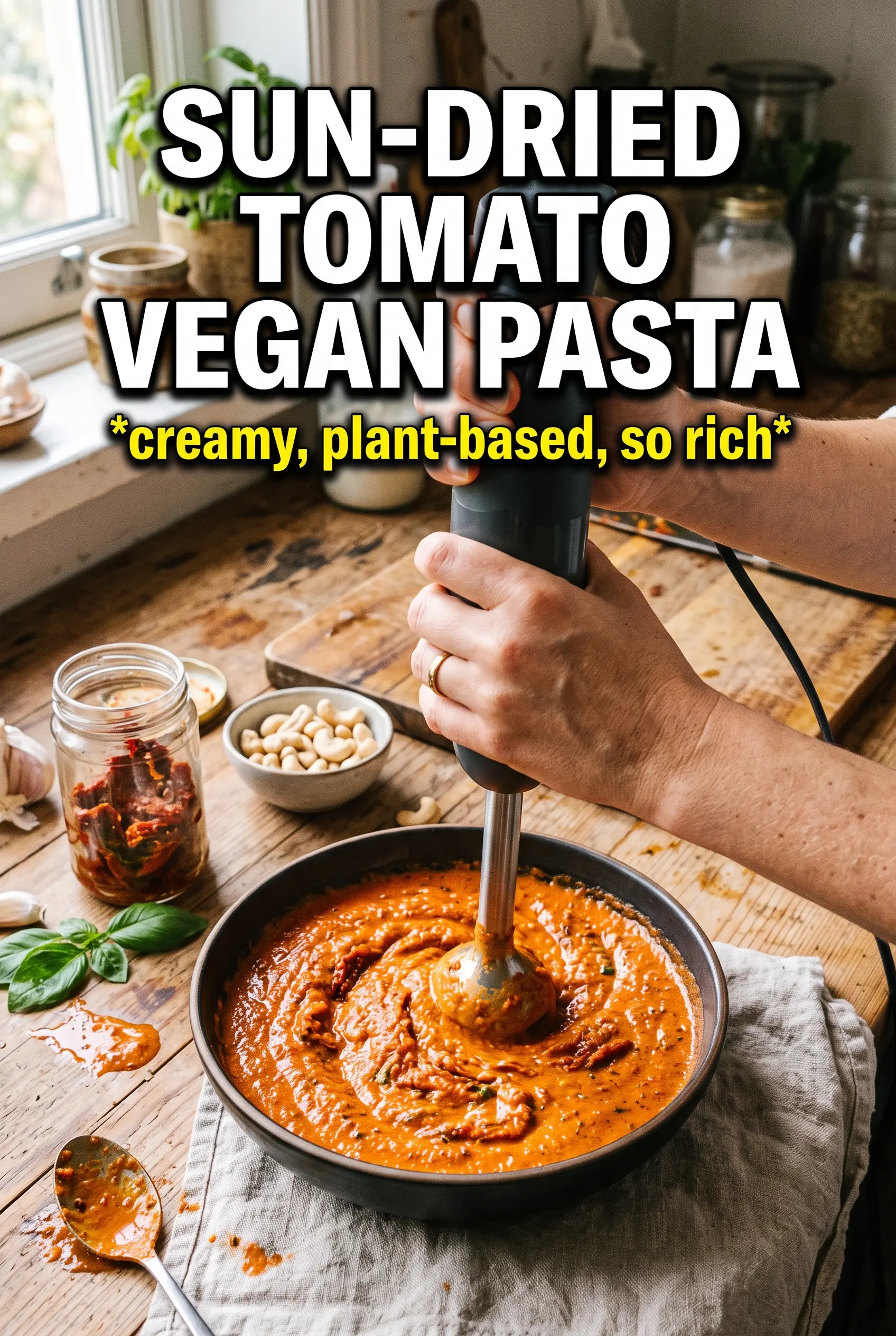
Blend half the sauce before tossing it with the pasta if you want a smoother finish. That gives you a richer, more velvety texture while still keeping bits of tomato and garlic in the final dish.
Make it gluten-free
Use your favorite gluten-free rigatoni or penne and cook it just shy of fully done. Gluten-free pasta can soften fast once it hits the sauce, so undercooking by a minute keeps the texture from turning mushy.
Swap the coconut cream
Cashew cream works if you want a milder flavor and no coconut note. It won’t taste as rich as coconut cream, but it gives you a smoother, more neutral sauce that lets the tomatoes and basil stand out.
Turn it into a heartier dinner
Add sautéed mushrooms or white beans after the sauce thickens. Mushrooms deepen the savory side of the dish, while white beans make it more filling without changing the creamy texture.
Storage and Reheating
- Refrigerator: Store in an airtight container for up to 4 days. The pasta will absorb some sauce as it sits, so it may look thicker the next day.
- Freezer: It freezes fairly well for up to 2 months, though the sauce may separate a little after thawing. Freeze in portions and stir well after reheating.
- Reheating: Warm gently on the stove or in the microwave with a splash of water or unsweetened non-dairy milk. The biggest mistake is blasting it over high heat, which can dry out the pasta and make the sauce look broken.
Questions I Get Asked About This Recipe
Sun-Dried Tomato Vegan Pasta
Ingredients
Equipment
Method
- Bring a large pot of salted water to a boil, then cook the rigatoni or penne until al dente. Reserve 1 cup of pasta water and drain the pasta.
- Heat the sun-dried tomato oil in a cast iron skillet over medium heat until shimmering. Sauté the minced garlic and chopped sun-dried tomatoes for 2 minutes, stirring so the garlic doesn’t brown.
- Stir in the tomato paste and cook for 1 minute until it darkens slightly. Keep the heat at medium so it stays fragrant, not scorched.
- Pour in the full-fat coconut cream, then add Italian seasoning, red pepper flakes, and nutritional yeast. Simmer for 5 minutes, stirring occasionally, until creamy and cohesive.
- Add the drained pasta to the skillet and toss to coat, adding reserved pasta water as needed for a silky sauce. Toss until the pasta is evenly coated and loosened.
- Add the baby spinach and toss for 1-2 minutes until wilted and bright green. Keep tossing so the sauce clings to every piece.
- Season with salt and pepper to taste, then top with fresh basil and extra nutritional yeast for serving. Serve hot while the sauce is glossy.